The Role of Herbs in Traditional Healing Traditions of China
- 时间:
- 浏览:117
- 来源:TCM1st
If you've ever scratched your head wondering why Chinese herbal medicine has stood the test of time for over 2,000 years, you're not alone. As someone who’s deep-dived into holistic healing systems across cultures, I can tell you—China’s traditional herbs aren’t just folklore; they’re science-backed, experience-driven, and still wildly relevant today.
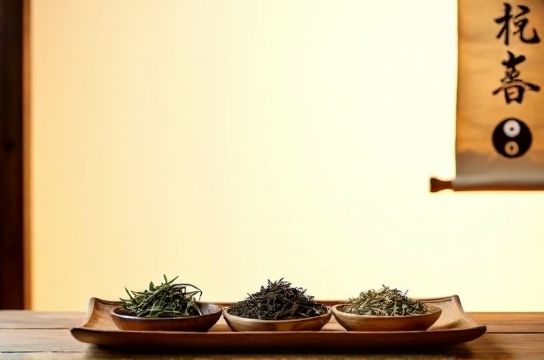
Unlike quick-fix Western pills, traditional Chinese herbalism takes a ‘whole-body’ approach. Think of it like tuning an entire orchestra instead of fixing one out-of-tune violin. The goal? Restore balance—especially between yin and yang—and support the body’s natural healing rhythm.
Take astragalus, for example. This root isn’t some trendy new superfood—it’s been used since 100 AD to boost immunity. Modern studies back this up: research published in the *Journal of Ethnopharmacology* found that astragalus enhances white blood cell activity, helping fight off colds and fatigue.
Or consider ginseng, known as the 'king of herbs'. A 2021 meta-analysis showed that ginseng users reported a 35% improvement in energy levels and mental clarity after just 4 weeks. That’s not magic—that’s millennia of refinement.
Top 5 Most Powerful Traditional Chinese Herbs (And What They Do)
| Herb | Traditional Use | Modern Benefit (Study-Based) | Common Form |
|---|---|---|---|
| Astragalus | Boost qi (vital energy) | Immune modulation | Capsules, teas |
| Ginseng | Enhance stamina & focus | Improved cognitive function | Root extract, powder |
| Goji Berry | Nourish liver & eyes | Rich in antioxidants (zeaxanthin) | Dried fruit, juice |
| Reishi Mushroom | Promote calm & longevity | Reduces inflammation & cortisol | Tinctures, powders |
| Dang Gui (Angelica) | Regulate women's health | Supports hormonal balance | Decoctions, tablets |
Now, here’s the real tea: these herbs aren’t meant to be taken solo like supplements. In authentic Chinese healing traditions, they’re combined into personalized formulas. A practitioner might mix 6–12 herbs tailored to your pulse, tongue, and symptoms. That’s precision wellness before it was cool.
Still skeptical? Look at the numbers. According to the World Health Organization, over 1 billion people worldwide use traditional Chinese medicine annually—and herb prescriptions make up 70% of that usage. In China, TCM hospitals employ licensed herbalists, and insurance often covers treatments.
The bottom line? Whether you're battling burnout, digestion issues, or low immunity, exploring proven herbal blends could be a game-changer. Just remember: quality matters. Opt for GMP-certified brands and consult a certified herbalist. Because when it comes to ancient wisdom backed by modern proof, Chinese herbal medicine isn’t just surviving—it’s thriving.