Eastern vs Western Views on Chinese Medicine Philosophy Compared
- 时间:
- 浏览:106
- 来源:TCM1st
If you've ever scratched your head wondering why your acupuncturist talks about 'qi' while your doctor swears by blood panels, you're not alone. The clash — or rather, the conversation — between Eastern and Western medicine has been brewing for centuries. Let’s break it down in plain English, with a little data, a dash of history, and zero jargon.
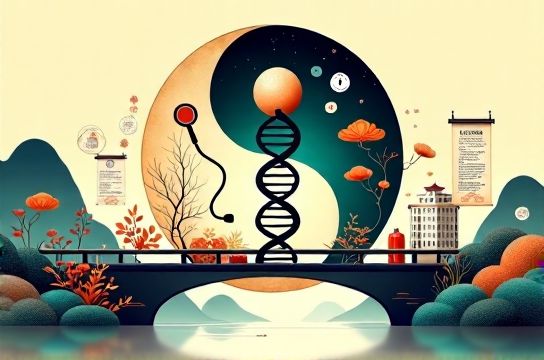
Traditional Chinese Medicine (TCM) sees the body as an interconnected ecosystem. Think yin-yang balance, meridians, and energy flow (that’s 'qi' for the uninitiated). Meanwhile, Western medicine leans hard into anatomy, biochemistry, and evidence-based protocols. One measures cortisol levels; the other checks your pulse pattern to assess liver qi. Both have merit — but they start from totally different playbooks.
Take chronic back pain. A TCM practitioner might diagnose a 'kidney deficiency' and suggest acupuncture plus herbal formulas like Du Huo Ji Sheng Tang. Your GP? Likely to order an MRI and recommend NSAIDs or physical therapy. So who’s right? Surprisingly, both can be — especially when combined.
Here’s a quick comparison:
| Aspect | Chinese Medicine | Western Medicine |
|---|---|---|
| Diagnosis Method | Tongue/pulse analysis, pattern differentiation | Labs, imaging, clinical symptoms |
| Treatment Focus | Root cause, energy balance | Symptom management, disease pathology |
| Prevention Approach | Daily routines, seasonal adjustments | Vaccines, screenings, lifestyle advice |
| Scientific Backing | Emerging (e.g., acupuncture for pain) | Extensive RCTs and peer review |
Data backs some TCM practices more than skeptics admit. For instance, a 2018 meta-analysis in the Journal of Pain found acupuncture effective for chronic pain, with results lasting over time. Meanwhile, the WHO recognizes over 100 conditions treatable with acupuncture. Still, herbs like Ma Huang (ephedra) caused issues when misused in weight-loss pills — proving that natural doesn’t always mean safe.
The real gap? Language and framework. Western doctors want double-blind studies. TCM runs on 2,000 years of observational practice. But here's the twist: integrative clinics are now blending both. In Beijing, some hospitals have MDs and TCM doctors co-consulting. Cancer patients get chemo alongside herbal support to reduce nausea — and studies show improved quality of life.
So what’s the takeaway? Don’t ditch your prescriptions for a cup of goji tea. But if you’re battling insomnia, maybe try sleep hygiene *and* a calming formula like Suan Zao Ren Tang — under professional guidance, of course.
Ultimately, the future isn’t East vs West. It’s smart integration. And hey, if both your acupuncturist and GP agree you should eat more veggies and sleep better? That’s harmony worth chasing.
Want to explore how Chinese medicine philosophy can complement modern care? Start with a licensed integrative practitioner — and keep both sides at the table.