The Legacy of Huang Di in Shaping TCM History Forever
- 时间:
- 浏览:116
- 来源:TCM1st
If you're diving into the world of Traditional Chinese Medicine (TCM), there's one name you can't ignore: Huang Di, also known as the Yellow Emperor. Forget flashy modern wellness trends—this ancient figure laid the philosophical and medical groundwork over 2,000 years ago that still influences TCM today. Let’s break down why Huang Di isn’t just a mythological icon, but the cornerstone of holistic healing in Chinese culture.
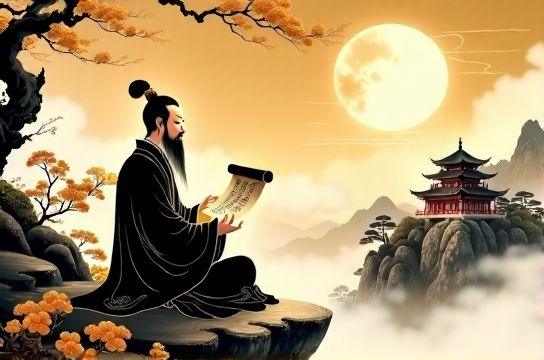
Who Was Huang Di, Really?
Historians debate whether Huang Di was a real ruler or a symbolic representation of early Chinese civilization. What’s not up for debate? His attributed work, the Huangdi Neijing (The Yellow Emperor’s Inner Canon), is the oldest surviving medical text in China—dating back to around 300 BCE. This text isn’t just about herbs or acupuncture; it’s a comprehensive system linking health to nature, balance, and energy flow (qi).
The brilliance of the Neijing? It introduced core TCM concepts like Yin-Yang duality and the Five Elements (Wood, Fire, Earth, Metal, Water) as frameworks for diagnosing and treating illness. These aren’t abstract ideas—they’re practical tools still taught in TCM schools worldwide.
Why the Huangdi Neijing Still Matters Today
You might think an ancient manuscript has little relevance in 2024. But consider this: a 2021 study published in the Journal of Ethnopharmacology found that over 60% of modern TCM prescriptions are rooted in formulas first described in the Neijing. That’s staying power.
Beyond prescriptions, the text promoted preventive care—something Western medicine is only recently embracing. The famous quote from the Neijing: “To treat disease after it has appeared is like digging a well when one is thirsty.” Sound familiar? That’s because it’s the foundation of today’s wellness movement.
Key Concepts from the Neijing — Then vs. Now
To show how these ancient ideas evolved, here’s a quick comparison:
| Concept | Historical View (c. 300 BCE) | Modern TCM Application |
|---|---|---|
| Yin-Yang Theory | Natural balance in body and environment | Used to diagnose imbalances (e.g., hot vs. cold conditions) |
| Five Elements | Cosmic cycles influencing organs | Applied in pulse diagnosis and herbal formulation |
| Qi (Vital Energy) | Invisible life force flowing through meridians | Central to acupuncture and Qigong therapy |
| Preventive Care | Superior doctors prevent illness | Wellness plans, seasonal diets, lifestyle coaching |
This table shows more than historical curiosity—it reveals continuity. The same principles guiding emperors’ physicians now help modern practitioners create personalized treatments.
How Huang Di Influences Modern Practice
Walk into any reputable TCM clinic, and you’ll likely see a portrait of Huang Di on the wall—not out of tradition alone, but respect. His legacy lives in how practitioners think: holistically, preventively, and energetically.
For example, when treating chronic fatigue, a TCM doctor won’t just look at blood tests. They’ll assess your sleep, digestion, emotional state, and seasonal patterns—just as the Neijing advised millennia ago. That systems-thinking approach? Credit Huang Di.
And let’s talk global impact. UNESCO added the Huangdi Neijing to its Memory of the World Register in 2011, recognizing its cultural and scientific value. Meanwhile, WHO’s 2022 inclusion of TCM in its International Classification of Diseases (ICD-11) further validates its clinical relevance.
Final Thoughts
Huang Di didn’t just shape TCM history—he defined its soul. While fads come and go, his emphasis on balance, prevention, and harmony with nature remains timeless. Whether you're a patient, practitioner, or curious learner, understanding his influence is key to mastering TCM’s depth.