How Seasonal Cycles Guide Healing Traditions in TCM Practice
- 时间:
- 浏览:110
- 来源:TCM1st
If you've ever wondered why your Traditional Chinese Medicine (TCM) practitioner suggests different herbs or treatments depending on the time of year, here’s the tea: it’s all about seasonal cycles. In TCM, nature and the human body aren’t separate—they’re deeply connected. And this ancient system has been using the rhythm of the seasons to guide healing for over 2,000 years.
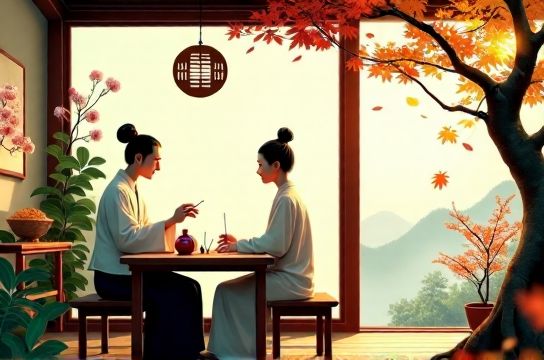
Unlike Western medicine, which often treats symptoms in isolation, TCM looks at the whole picture—your environment, emotions, diet, and energy flow (Qi). One of its core principles? The five seasons: Spring, Summer, Late Summer, Autumn, and Winter. Each season corresponds to specific organs, emotions, and natural elements, shaping how practitioners approach prevention and treatment.
Why Seasons Matter in TCM
In TCM theory, each season governs particular organ systems:
- Spring → Liver & Gallbladder (Wood element)
- Summer → Heart & Small Intestine (Fire element)
- Late Summer → Spleen & Stomach (Earth element)
- Autumn → Lungs & Large Intestine (Metal element)
- Winter → Kidneys & Bladder (Water element)
This isn’t just poetic symbolism—it’s a functional map used daily in clinics across China and integrative wellness centers worldwide. For example, winter is the time to nourish the Kidneys. That’s why tonics like Rehmannia and Dodder Seed are commonly prescribed during colder months.
Seasonal Rhythms & Modern Health Data
You might be skeptical—but modern research supports some of these patterns. A 2020 study published in Nature Communications found that human gene expression changes with the seasons, affecting immune function and inflammation levels. Sound familiar? That’s exactly what TCM has claimed for centuries.
Take respiratory health: in Autumn, when the Lung season begins, cases of dry coughs and allergies rise. According to the American Lung Association, October sees a 30% spike in bronchitis-related doctor visits. TCM responds by recommending moistening foods (like pears and lily bulbs) and acupuncture points like LU7 (Lieque) to protect Lung Qi.
| Season | Corresponding Organ | Common TCM Focus | Supportive Practices |
|---|---|---|---|
| Spring | Liver | Detoxification, stress relief | Chai Hu Shu Gan San, acupressure on LV3 |
| Summer | Heart | Cooling, emotional balance | Lotus seed tea, meditation |
| Late Summer | Spleen | Digestion, dampness control | Huo Xiang Zheng Qi Wan, warm meals |
| Autumn | Lungs | Moisturizing, immunity | Pear syrup, breathing exercises |
| Winter | Kidneys | Conservation, warmth | Jin Gui Shen Qi Wan, moxibustion |
Practical Tips You Can Use Now
Want to live in tune with these cycles? Start small. In seasonal TCM practice, even minor shifts—like swapping iced coffee for warm lemon water in winter—can support your body’s natural rhythm. Listen to your cravings: craving soups in winter? Your body’s asking for Kidney support.
Bottom line: TCM doesn’t fight nature—it flows with it. By aligning your lifestyle with seasonal energy, you’re not just preventing illness—you’re building resilience from within.