The Ethical Foundations of Chinese Medicine Philosophy Over Time
- 时间:
- 浏览:99
- 来源:TCM1st
Let’s talk about something deep but super relevant — the ethical backbone of Chinese medicine philosophy. If you’ve ever wondered why TCM (Traditional Chinese Medicine) feels so different from Western medicine, it’s not just herbs and acupuncture. It’s the centuries-old moral compass guiding every diagnosis and treatment.
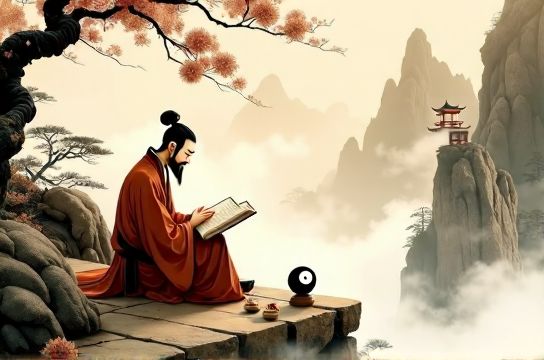
At its core, Chinese medicine isn’t just about curing illness — it’s about harmony. Rooted in Daoism, Confucianism, and Buddhism, its ethics emphasize balance, compassion, and responsibility. Think of it like this: while Western medicine often asks, “What’s wrong?” TCM asks, “Why is this happening, and how can we restore balance?”
One of the earliest texts, the Huangdi Neijing (Yellow Emperor’s Inner Canon), laid down ethical standards over 2,000 years ago. It taught that a true physician must possess virtue (de), empathy, and humility. Doctors were expected to treat all patients equally — rich or poor — and prioritize healing over profit. Sounds idealistic? Maybe. But historically, many physicians lived by this code.
Let’s break down how key philosophical traditions shaped TCM ethics:
| Philosophy | Core Ethical Influence | Modern Reflection |
|---|---|---|
| Daoism | Natural harmony, non-interference (wu wei) | Preference for preventive care, minimal intervention |
| Confucianism | Duty, respect, filial piety | Doctor-patient hierarchy, emphasis on trust |
| Buddhism | Compassion, non-harming (ahimsa) | Focus on mental-emotional wellness, ethical herb sourcing |
This blend of values didn’t just shape theory — it influenced practice. For example, during the Song Dynasty, state-run pharmacies ensured affordable herbal medicine for the public. That’s social ethics in action.
Now, fast-forward to today. The modern world loves TCM — global demand for acupuncture and herbal supplements has skyrocketed. But with popularity comes challenges. Are all practitioners upholding these ancient ethics? Not always. Commercialization risks turning healing into a commodity. That’s why understanding the original philosophy behind Chinese medicine is more important than ever.
Consider this stat: a 2022 WHO report estimated that over 100 countries now regulate TCM practices — a sign of growing trust. Yet, only 35% have clear ethical guidelines for practitioners. That gap? It’s where tradition and modernity clash.
So what’s the takeaway? Whether you're a patient, practitioner, or just curious, remember that real TCM goes beyond symptoms. It’s a moral practice rooted in balance, duty, and care. When choosing a provider, ask: Do they follow these principles? Because true healing isn’t just effective — it’s ethical.