The Global Spread of TCM History and Its Cultural Impact
- 时间:
- 浏览:111
- 来源:TCM1st
If you've ever sipped ginger tea for digestion or tried acupuncture for back pain, you've touched on the legacy of Traditional Chinese Medicine (TCM). But how did a 2,000-year-old healing system spread from ancient China to clinics in Berlin, yoga studios in LA, and pharmacies in Brazil? Let’s dive into the global journey of TCM history and its surprising cultural impact.
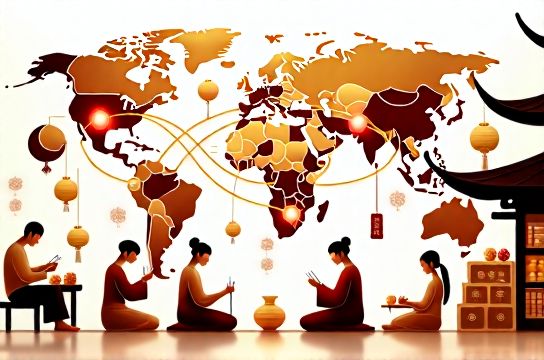
From Imperial Courts to Global Clinics
TCM isn’t just about herbs and needles—it’s a full-body philosophy rooted in balance (yin-yang) and energy flow (qi). First documented in the Huangdi Neijing (Yellow Emperor’s Inner Canon) around 300 BCE, it was already a sophisticated system by the Han Dynasty.
The real global expansion kicked off during the Silk Road era. Traders didn’t just carry silk and spices—they brought ginseng, cinnamon bark, and medical knowledge. Fast forward to the 20th century: diplomatic openness and WHO recognition in the 1970s gave TCM international credibility.
Where Is TCM Practiced Today?
A 2022 WHO report found that over 113 countries recognize TCM practices in some form. Here’s a snapshot:
| Region | TCM Recognition | Common Uses |
|---|---|---|
| Europe | Legal in 32 countries | Acupuncture, herbal supplements |
| North America | Licensed in 48 U.S. states | Pain management, wellness |
| Australia | National registration since 2012 | Chronic disease support |
| Africa | Growing informal use | Malaria, arthritis relief |
As you can see, TCM’s global influence isn’t just trendy—it’s institutionalized.
Cultural Fusion: When TCM Meets Local Healing
In Germany, TCM acupuncture is often covered by public insurance for chronic back pain. In Cuba, Chinese herbal formulas were adapted during medicine shortages. Even Hollywood celebrities swearing by cupping marks have boosted visibility (thanks, Olympic swimmers).
But it’s not all smooth sailing. Critics point to inconsistent herb quality and a lack of standardized training. Yet, with ISO standardizing TCM devices and ingredients since 2015, regulation is catching up.
Why Does This Matter Today?
In an age of antibiotic resistance and mental health crises, TCM offers holistic alternatives. A 2023 meta-analysis showed acupuncture reduced migraine frequency by 50% in 68% of patients—comparable to pharmaceuticals, minus the side effects.
Beyond health, TCM has become a soft power tool. China funds Confucius Institutes with TCM wings, training over 30,000 foreign practitioners since 2010. It’s not just medicine—it’s cultural diplomacy.
Final Thoughts
The spread of TCM history reflects more than medical curiosity—it shows how ancient wisdom can adapt and thrive globally. Whether you’re skeptical or sold, one thing’s clear: TCM isn’t fading out. It’s evolving, integrating, and influencing how the world heals.