The Symbolism of Yin and Yang in Healing Traditions Explored
- 时间:
- 浏览:118
- 来源:TCM1st
If you've ever dabbled in holistic health or scrolled through wellness content, you’ve probably seen the iconic yin-yang symbol. But what does it really mean — especially when it comes to healing? Spoiler: It’s way more than just a cool tattoo design. As someone who’s spent years diving into traditional healing systems, I’m here to break down how yin and yang shape real-world practices — with science-backed insights and historical context.
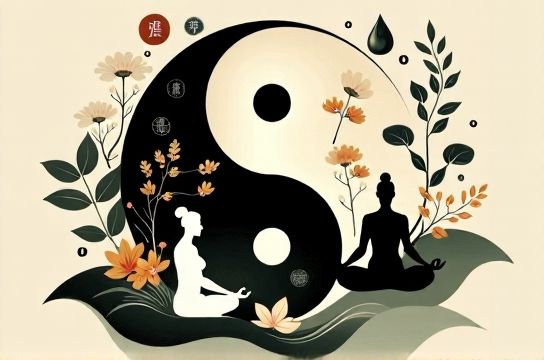
Originating from ancient Chinese philosophy, yin and yang represent opposite yet complementary forces: dark and light, passive and active, cold and warm. In healing traditions like Traditional Chinese Medicine (TCM), balance between these forces is key to health. Think of your body as a dynamic ecosystem — when yin (cooling, nourishing energy) dominates, you might feel sluggish or overly cold. Too much yang (warming, stimulating energy)? Hello, insomnia and inflammation.
Let’s get practical. Here’s how this plays out across common therapies:
| Therapy | Yin-Focused Approach | Yang-Focused Approach |
|---|---|---|
| Acupuncture | Points on kidney/liver meridians to cool and calm | Stimulating points on spleen/stomach for energy boost |
| Diet | Cucumber, tofu, green tea (cooling foods) | Ginger, garlic, lamb (warming foods) |
| Herbal Medicine | Rehmannia, lily bulb for hydration and rest | Epimedium, ginseng for vitality and warmth |
This isn’t just philosophical fluff. A 2021 review in the Journal of Ethnopharmacology found that herbs classified as "yin-tonifying" showed significant anti-inflammatory and antioxidant effects, while "yang-tonifying" herbs boosted metabolic activity and endurance in clinical trials.
But here’s where people get tripped up: yin and yang aren't fixed categories. They’re relative. For example, room-temperature water is neutral, but compared to ice water, it’s yang. This fluidity is crucial — your ideal balance shifts with age, season, and lifestyle. That’s why TCM practitioners spend so much time assessing your pulse, tongue, and sleep patterns before recommending treatment.
Seasonal shifts are a perfect example. Winter calls for more yang-supportive habits — think slow-cooked stews and early bedtimes to conserve energy. Summer? Time to embrace yin with hydrating fruits and lighter activity. Ignoring this rhythm can lead to seasonal fatigue or recurring colds.
And don’t overlook emotional health. In TCM, emotions are tied to organ systems: anger stresses the liver (a yin organ), while chronic fear impacts the kidneys. So when I coach clients, we don’t just tweak diets — we look at stress patterns, work-life flow, and even digital consumption. Is your late-night scrolling spiking mental 'yang'? That could be wrecking your sleep.
Still skeptical? Consider this: modern chronobiology — the study of body rhythms — echoes these principles. Our circadian cycles naturally balance activity (yang) and rest (yin). Disrupt them with erratic schedules, and you risk hormonal imbalances, poor digestion, and weakened immunity.
The takeaway? True healing isn’t about chasing extremes. It’s about tuning in. Whether you're exploring acupuncture or simply adjusting your evening routine, ask: What do I need more of right now — stillness or stimulation? That simple check-in aligns with centuries of wisdom. And if you're curious to go deeper, check out how balancing yin and yang can transform your daily habits — no mysticism required.