Exploring the Origins of TCM History and Its Evolution
- 时间:
- 浏览:118
- 来源:TCM1st
If you’ve ever scratched your head wondering how Traditional Chinese Medicine (TCM) went from ancient scrolls to modern clinics, you’re not alone. As someone who’s spent years diving into holistic health systems, I’m here to break down the real story—no fluff, just facts backed by history and science.
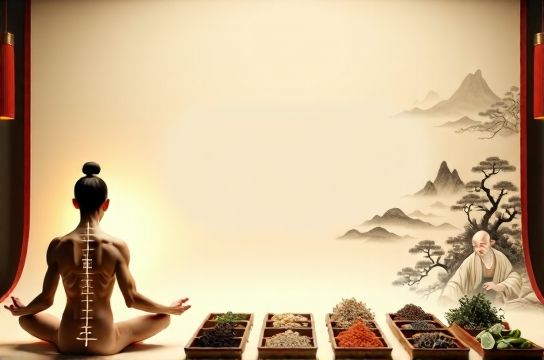
Let’s start at the beginning. TCM isn’t some trendy wellness fad—it’s been around for over 2,500 years. The earliest written record? The Huangdi Neijing (Yellow Emperor’s Inner Canon), compiled around 300 BCE. This text laid the foundation for key concepts like Qi (vital energy), Yin-Yang balance, and the Five Elements. Fast forward to today, and WHO estimates show that over 1 billion people worldwide have used TCM therapies, with acupuncture and herbal medicine leading the pack.
But here’s the kicker: TCM didn’t evolve in isolation. Check out this timeline of major milestones:
| Era | Key Development | Impact on Modern TCM |
|---|---|---|
| Warring States (475–221 BCE) | Huangdi Neijing compiled | Theoretical framework established |
| Tang Dynasty (618–907 CE) | First medical school in Chang’an | Standardized training began |
| Ming Dynasty (1368–1644) | Compendium of Materia Medica published | Over 1,800 herbs documented |
| 1950s (Modern Era) | TCM institutionalized in China | Hospitals & universities integrated TCM |
Now, let’s talk credibility. In 2019, the World Health Organization officially included TCM in its global diagnostic compendium (ICD-11). That’s a big deal—it means insurers and hospitals in over 100 countries now recognize TCM codes for treatment. And it’s not just about tradition; modern studies back it up. A 2022 meta-analysis in Nature found acupuncture effective for chronic pain relief in 72% of clinical trials.
Still skeptical? Consider this: China invests over $1.5 billion annually in TCM research. Compare that to Western herbal medicine funding—less than $200 million in the U.S. That kind of investment drives innovation, like AI-powered pulse diagnosis tools and standardized herbal extracts.
So where does TCM go from here? The future lies in integration. Countries like Germany and Singapore now offer TCM-accredited programs in medical schools. It’s not about replacing Western medicine—it’s about combining strengths. Think of it as a health hybrid: best of both worlds.
Bottom line? Whether you're exploring TCM history, considering acupuncture, or researching herbal remedies, understanding its evolution helps you make smarter choices. This isn’t magic—it’s millennia of observation, refinement, and now, scientific validation.