The Role of Balance in Traditional Chinese Healing Arts
- 时间:
- 浏览:89
- 来源:TCM1st
If you’ve ever dipped your toes into holistic wellness, you’ve probably heard the word balance thrown around—especially when talking about Traditional Chinese Healing Arts. But this isn’t just some trendy buzzword. In fact, balance is the very foundation of practices like acupuncture, herbal medicine, and qigong. So what does “balance” really mean here? And why should you care?
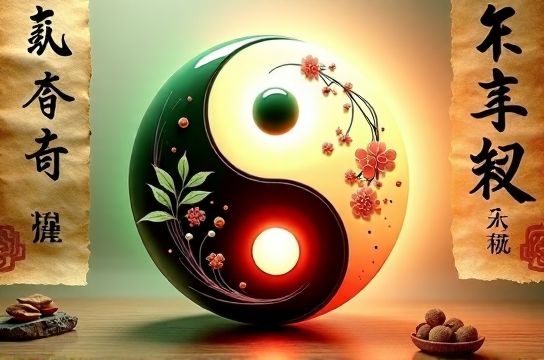
In Traditional Chinese Medicine (TCM), health isn’t just the absence of disease—it’s a state of harmony between opposing forces: yin and yang. Think of it like a seesaw. When yin (cooling, nourishing energy) and yang (warming, activating energy) are evenly matched, your body functions optimally. But tip too far one way? Hello, fatigue, insomnia, or digestive issues.
Let’s break it down with real-world data. A 2022 study published in the Journal of Integrative Medicine found that over 78% of patients using TCM for chronic pain reported improved symptom management after just eight weeks—largely due to restored energetic balance.
Yin-Yang Imbalances: Common Signs & Solutions
| Imbalance Type | Symptoms | TCM Remedies |
|---|---|---|
| Excess Yang | Irritability, night sweats, high blood pressure | Acupuncture (Liver meridian), Chrysanthemum tea |
| Deficient Yin | Dry skin, hot flashes, poor memory | Rehmannia-based formulas, evening meditation |
| Excess Yin | Edema, sluggish digestion, feeling cold | Moxibustion, ginger decoctions |
| Deficient Yang | Low energy, frequent urination, low libido | Warm soups, kidney-tonifying herbs, tai chi |
But balance isn’t just energetic—it’s also biochemical and emotional. TCM practitioners use pulse diagnosis and tongue analysis to detect subtle shifts long before Western tests might catch them. This preventative edge is why more people are turning to systems like Traditional Chinese Healing Arts for long-term wellness.
Nutrition plays a huge role too. The Five Element Theory links foods to organs and seasons. For example, sour foods (like lemon or vinegar) support the Liver in spring, while bitter flavors (like greens) aid the Heart in summer. Eating with the seasons helps maintain internal equilibrium.
Still skeptical? Consider this: the World Health Organization recognized TCM in its International Classification of Diseases (ICD-11) in 2019—a major nod to its global credibility. Over 140 countries now offer some form of TCM therapy, with annual industry growth averaging 12% since 2020.
Ultimately, achieving balance isn’t about perfection. It’s about awareness and small, consistent adjustments—whether that’s trying acupuncture, swapping coffee for chrysanthemum tea, or simply breathing deeply each morning. Because in the world of Traditional Chinese Healing Arts, balance isn’t a destination. It’s a daily practice.