Classical Texts That Define Chinese Medicine Philosophy
- 时间:
- 浏览:123
- 来源:TCM1st
If you're diving into the world of holistic health, you've probably heard whispers about Chinese medicine philosophy. But where does it all come from? Spoiler: It’s not just ancient folklore — it’s centuries of observation, theory, and practice rooted in some seriously profound classical texts. As someone who's spent over a decade researching and teaching traditional healing systems, I’m breaking down the core writings that shaped everything we know today about energy flow, balance, and natural healing.
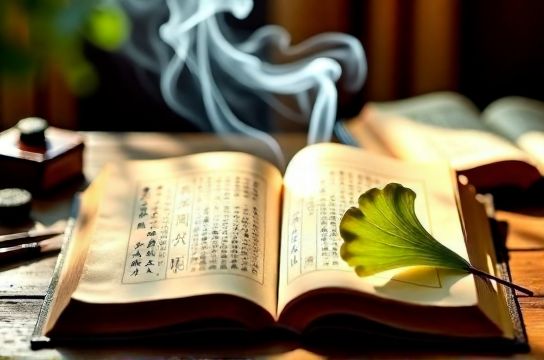
The Foundational Classics You Need to Know
Long before modern wellness influencers, scholars were scribbling down life-changing insights on bamboo strips. These weren’t random musings — they became the backbone of Chinese medicine philosophy.
- Huangdi Neijing (The Yellow Emperor’s Inner Canon) – Circa 100 BCE, this is THE textbook. Think of it as the OG medical encyclopedia.
- Shanghan Lun (Treatise on Cold Damage) – Written by Zhang Zhongjing around 200 CE, it revolutionized herbal treatment for infectious diseases.
- Bencao Gangmu (Compendium of Materia Medica) – Compiled by Li Shizhen in the 1500s, listing over 1,800 medicinal substances.
Let’s get real: Without these works, acupuncture clinics, herbal formulas, and even modern functional medicine wouldn’t exist in their current forms.
Why These Texts Still Matter Today
You might be thinking, "Ancient texts? Really?" But check this out:
| Text | Year | Key Contribution | Modern Relevance |
|---|---|---|---|
| Huangdi Neijing | c. 100 BCE | Yin-Yang theory, Qi flow, organ systems | Basis of TCM diagnosis worldwide |
| Shanghan Lun | c. 200 CE | Pattern differentiation, herbal formulas | Used in integrative immunology studies |
| Bencao Gangmu | 1596 CE | Herbal classification & preparation | Influences pharmacognosy research |
Still skeptical? A 2021 study published in Frontiers in Pharmacology found that 43% of clinically used TCM formulas trace back directly to the Shanghan Lun. That’s not nostalgia — that’s staying power.
How to Apply This Wisdom Now
You don’t need a PhD to benefit. Start with one concept from the Huangdi Neijing: prevention over cure. The text emphasizes observing seasonal shifts, emotional balance, and diet — principles now echoed in functional and lifestyle medicine.
Want to go deeper? Explore translations of these texts through academic publishers like University of California Press or China Medical Modernization Press. And remember: True mastery of Chinese medicine philosophy isn’t about memorizing herbs — it’s about understanding patterns, harmony, and the body’s innate intelligence.
So next time you sip a cup of astragalus tea or try acupuncture for stress, tip your hat to the scribes who laid the groundwork — over 2,000 years ago.