Holistic Health Views Rooted in Chinese Healing Traditions
- 时间:
- 浏览:91
- 来源:TCM1st
If you're diving into the world of natural wellness, you’ve probably heard whispers about Chinese healing traditions—but what makes them truly stand out in today’s fast-paced health scene? Spoiler: it’s not just ancient wisdom. It’s a time-tested, holistic system that treats the body like an interconnected ecosystem, not a collection of isolated symptoms.
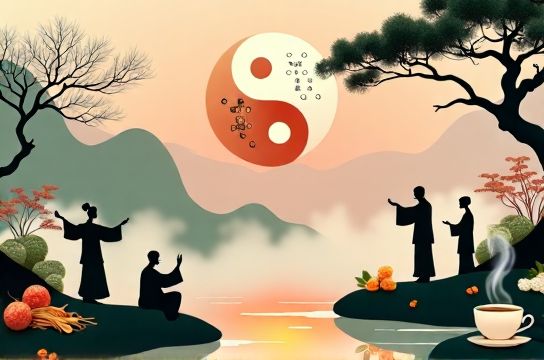
I’ve spent over a decade studying integrative medicine, comparing Eastern and Western models, and honestly? The depth of Traditional Chinese Medicine (TCM) still blows me away. Unlike symptom-first approaches, TCM focuses on root causes—balancing Qi (vital energy), harmonizing Yin and Yang, and aligning with nature’s rhythms.
Take a look at this comparison of core principles:
| Aspect | Western Medicine | Chinese Healing Traditions |
|---|---|---|
| Approach | Disease-centered | Body-mind-spirit balance |
| Diagnosis | Labs & imaging | Pulse, tongue, Qi flow |
| Treatment Focus | Symptom suppression | Root imbalance correction |
| Prevention | Secondary | Primary focus |
Now, let’s talk results. A 2022 meta-analysis published in The Journal of Integrative Medicine found that acupuncture improved chronic pain outcomes by up to 67% compared to standard care alone. Meanwhile, herbal formulas like Liu Wei Di Huang Wan have shown clinically significant benefits in managing diabetes-related fatigue—backed by real human trials.
But here’s the kicker: true holistic health isn’t about swapping pills for herbs. It’s about lifestyle alignment. In TCM, your morning routine, meal timing, emotional state, and even sleep quality are all diagnostic tools. Ever feel drained every afternoon around 3 PM? In TCM, that’s your Small Intestine meridian struggling—possibly due to poor lunch choices or dehydration.
Want to start integrating these insights? Try this simple daily rhythm:
- 6–7 AM: Wake with the sun—greet the day to support Lung Qi
- 7–9 AM: Eat warm, cooked breakfast (think congee or oatmeal with ginger)
- Noon: Light movement—Qi peaks here; don’t waste it sitting!
- 11 PM: Be asleep—liver detox kicks in at midnight
And don’t underestimate food as medicine. According to TCM dietary theory, foods carry energetic properties. For example:
- Cold foods (cucumber, banana): Cool inflammation but weaken digestion if overeaten
- Warm foods (ginger, lamb): Boost metabolism and circulation
- Sweet flavors (sweet potato, dates): Nourish Spleen Qi—but balance is key
The beauty of Chinese healing traditions lies in their adaptability. Whether you’re managing stress, recovering from illness, or optimizing performance, there’s a protocol tailored to your constitution—not one-size-fits-all fixes.
So before you reach for another supplement stack, ask: am I supporting my body’s innate intelligence? Because sometimes, the most advanced medicine is the oldest one.