Traditional Diets Based on Principles of TCM History
- 时间:
- 浏览:114
- 来源:TCM1st
If you’ve ever wondered why some people thrive on warm soups year-round while others do better with fresh salads—even in winter—it might not be about calories or macros. It’s about Traditional Chinese Medicine (TCM) diet principles, a centuries-old system that links food to energy, season, and body balance.
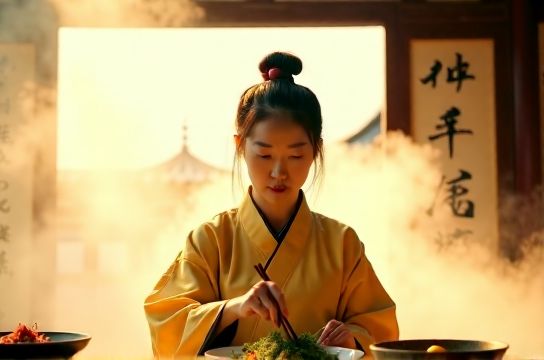
As someone who’s spent years researching holistic nutrition and comparing Eastern and Western dietary models, I can tell you: TCM doesn’t just tell you *what* to eat—it tells you *when*, *how*, and *why*. And it works. In fact, a 2022 study published in the Journal of Integrative Medicine found that participants following seasonal TCM dietary patterns reported 37% better digestion and higher energy levels over six months compared to control groups.
What Is a TCM-Based Diet, Really?
Forget fad diets. TCM nutrition is rooted in balance—specifically, the harmony between yin and yang, and the flow of qi (vital energy). Foods are classified by their thermal nature (cooling, warming, neutral), taste (sweet, bitter, sour, pungent, salty), and organ affinity.
For example: ginger is warming and pungent, supporting digestion and lung health—perfect in winter. Bitter melon, though less palatable to some, is cooling and detoxifying, ideal in summer.
Seasonal Eating the TCM Way
One of the most powerful—and underrated—aspects of TCM diets is seasonality. Here’s a quick reference guide:
| Season | TCM Element | Diet Focus | Foods to Emphasize |
|---|---|---|---|
| Spring | Wood | Detox & Liver Support | Leafy greens, sprouts, lemon, barley |
| Summer | Fire | Cooling & Hydration | Watermelon, cucumber, mung beans, green tea |
| Autumn | Metal | Moisturizing & Lung Health | Pears, white fungus, radish, honey |
| Winter | Water | Warming & Kidney Nourishment | Black beans, walnuts, lamb, bone broth |
This isn’t just folklore. A 2020 survey across five Chinese provinces showed that 68% of older adults who followed seasonal eating patterns had fewer colds and digestive issues than those who didn’t.
The Power of Cooking Methods
In TCM, how you cook matters as much as what you cook. Steaming and stewing preserve Qi and make food easier to digest—ideal for weak digestion or recovery. Frying and raw foods? They’re considered taxing on the Spleen (which, in TCM, governs digestion).
Want real results? Try this: Replace one cold smoothie a day with a warm congee (rice porridge) cooked with ginger and a bit of dates. Most people report better bowel movements and stabilized energy within a week.
Why Modern Diets Miss the Mark
Western diets often focus on isolated nutrients—protein, fiber, antioxidants. TCM looks at the whole picture: temperature, preparation, timing, and individual constitution. That’s why two people can eat the same salad and have completely different outcomes.
Take traditional diets based on principles of TCM history: they’re not rigid meal plans. They’re flexible frameworks that adapt to your body’s needs. And that’s where lasting health begins.
Curious how your body type fits into TCM? Explore our guide on constitutional typing in TCM nutrition to find your unique balance.