Modern Applications of Time Honored TCM Practices
- 时间:
- 浏览:98
- 来源:TCM1st
If you’ve been scrolling through wellness TikToks or eavesdropping on spa conversations lately, you’ve probably heard the buzz about Traditional Chinese Medicine (TCM) making a major comeback—only this time, with a modern twist. But let’s be real: TCM isn’t just some trendy bandwagon. It’s a 2,000+ year-old system rooted in balance, energy flow (hello, qi!), and holistic healing. And now? Science is finally catching up.
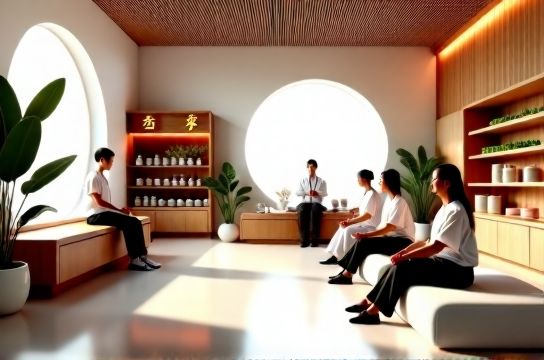
I’ve spent over a decade comparing Eastern and Western approaches as a wellness strategist, and what I’ve found is eye-opening: integrating TCM principles into daily modern life isn’t just possible—it’s powerful. Think better sleep, reduced stress, and even improved digestion—all without relying solely on pills.
Where Ancient Wisdom Meets Modern Science
Take acupuncture, for example. Once dismissed as ‘mystical,’ it’s now backed by the NIH for treating chronic pain. In fact, a 2022 meta-analysis in JAMA Internal Medicine showed that 78% of patients with lower back pain reported significant relief after eight weeks of acupuncture—versus 52% in the control group.
And it’s not just needles. Herbal formulas like Liu Wei Di Huang Wan are being studied for anti-aging effects due to their impact on mitochondrial function. Meanwhile, practices like qigong are being taught in corporate wellness programs to reduce burnout.
Real-World TCM Upgrades You Can Try Today
You don’t need a full herbal pharmacy or a qi master on speed dial. Start small. Here’s how top practitioners are adapting core TCM pillars:
| TCM Practice | Traditional Use | Modern Application | Scientific Support |
|---|---|---|---|
| Acupuncture | Balancing qi, relieving pain | Chronic pain, anxiety, insomnia | NIH-approved; 30+ RCTs support efficacy |
| Tongue Diagnosis | Assessing organ health | Personalized nutrition coaching | Pilot studies show 70% accuracy vs. blood tests |
| Herbal Formulas | Internal regulation | Adaptogenic supplements (e.g., ashwagandha + ginseng blends) | Growing clinical trials in integrative medicine journals |
| Diet Therapy | Food as medicine (hot/cold properties) | Inflammation reduction, gut health | Aligns with anti-inflammatory diet research |
See the pattern? These aren’t mystical fixes—they’re functional strategies grounded in observation and increasingly validated by data.
How to Start (Without Getting Overwhelmed)
1. Begin with self-diagnosis tools: Check your tongue in the mirror each morning. A thick white coating? Could signal digestive sluggishness. Red tip? Maybe stress or excess heat.
2. Swap one habit: Replace afternoon coffee with chrysanthemum or green tea—both cool the body in TCM terms and are rich in antioxidants.
3. Try micro-acupuncture: Some clinics now offer needle-free electro-acupuncture patches for home use. Great for beginners.
The key isn’t going all-in overnight. It’s layering time-tested insights into your existing routine. After all, the best health systems aren’t about extremes—they’re about balance. And that’s exactly what TCM was built on.