Ethics and Morality in Chinese Medicine Philosophy
- 时间:
- 浏览:117
- 来源:TCM1st
If you've ever wondered why your Chinese medicine practitioner takes such a holistic view of your health—asking about sleep, emotions, even your relationship with family—it's not just diagnostic strategy. It's philosophy in action. At the heart of traditional Chinese medicine (TCM) lies a deep-rooted ethical framework that shapes how healers diagnose, treat, and relate to patients.
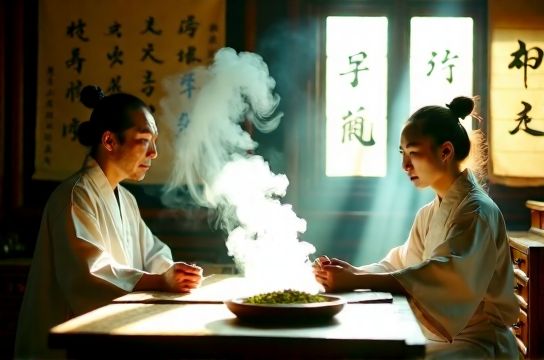
Unlike Western biomedicine, which often separates disease from the person, TCM sees healing as a moral practice. This isn’t just poetic thinking—it’s backed by centuries of medical texts and clinical tradition. Let’s unpack how ethics and morality aren’t just add-ons in TCM, but its very foundation.
The Physician as a Moral Cultivator
In ancient China, doctors weren’t just technicians. They were expected to embody virtue. The classic text Qian Jin Yao Fang (Essential Formulas Worth a Thousand Gold) by Sun Simiao (7th century) opens with a now-famous passage: 'A great physician must calm the mind, have no desires or wants, and first develop a compassionate heart.'
This wasn’t optional advice. A doctor’s character was believed to directly impact treatment outcomes. If a physician lacked empathy or integrity, their prescriptions—even if technically correct—might fail.
Key Ethical Principles in TCM Practice
Modern research confirms that bedside manner affects patient recovery. But in TCM, this goes deeper. Here are four core moral principles still taught in schools today:
| Principle | Moral Duty | Modern Relevance |
|---|---|---|
| 仁心 (Ren Xin) – Benevolent Heart | Treat all patients with compassion, regardless of status | Linked to higher patient satisfaction and adherence |
| 精诚 (Jing Cheng) – Sincere Expertise | Pursue mastery and honesty in diagnosis | Reduces misdiagnosis; builds trust |
| 不欺 (Bu Qi) – No Deception | Never overcharge or exaggerate treatments | Aligns with modern medical ethics codes |
| 顺天应人 (Shun Tian Ying Ren) – Harmony with Nature & Humanity | Heal in alignment with natural laws and social balance | Supports preventive, sustainable care |
These aren’t abstract ideals. In fact, a 2021 survey of 312 TCM practitioners in Guangdong found that 89% cited moral cultivation as 'very important' to clinical success—more than technical skill alone.
Diagnosis as an Ethical Act
Take pulse diagnosis. It’s not just about detecting imbalances in Qi or blood. The way a doctor takes your pulse—attentive, present, unhurried—is itself an ethical gesture. Rushing through it violates the principle of Jing Cheng (Sincere Expertise).
Likewise, prescribing expensive herbs without necessity breaks Bu Qi (No Deception). In historical records, such doctors were publicly shamed.
Why This Matters Today
As integrative medicine gains global traction, understanding TCM’s ethical core helps patients choose wisely. Not all clinics uphold these values. Some prioritize profit over principle—selling unnecessary tonics or skipping proper diagnosis.
So what should you look for? Ask: Does the practitioner listen deeply? Do they explain clearly? Are they transparent about costs? These aren’t just service issues—they’re moral indicators.
In a world where healthcare feels increasingly transactional, TCM’s emphasis on ethics offers a refreshing alternative: healing as a shared moral journey, not just a prescription.