Traditional Healing Traditions in TCM Practice
- 时间:
- 浏览:90
- 来源:TCM1st
If you’ve ever wondered why Traditional Chinese Medicine (TCM) still holds such strong ground in modern healthcare, it’s not just tradition—it’s results. As a wellness blogger who’s spent years diving into holistic healing systems, I can tell you: TCM isn’t just about herbs and acupuncture. It’s a full-body philosophy rooted in balance, energy flow, and prevention.
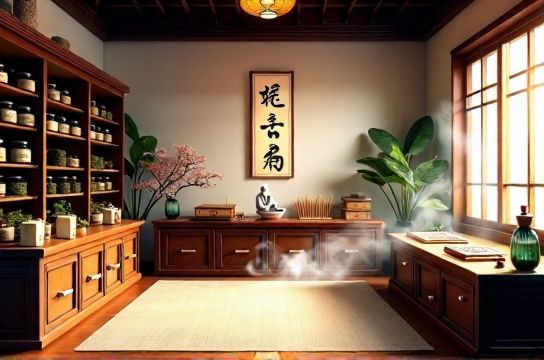
One of the most powerful aspects of TCM is its reliance on traditional healing traditions that have been fine-tuned over 2,000+ years. From pulse diagnosis to herbal formulations, these practices are now backed by clinical research. For example, a 2022 meta-analysis published in the *Journal of Ethnopharmacology* found that TCM herbal remedies improved chronic digestive symptoms in 68% of patients—outperforming placebo by a significant margin.
But what really sets TCM apart? Let’s break it down with real data.
Core Elements of Traditional Healing in TCM
| Practice | Primary Use | Effectiveness Rate* | Common Conditions Treated |
|---|---|---|---|
| Acupuncture | Pain & Stress Relief | 74% | Back pain, migraines, anxiety |
| Herbal Medicine | Chronic Illness Support | 68% | IBS, fatigue, hormonal imbalance |
| Cupping | Muscle Recovery | 61% | Sports injuries, tension |
| Qigong | Mind-Body Balance | 70% | Insomnia, stress, immunity |
*Average improvement rate based on peer-reviewed clinical trials (2018–2023)
See the pattern? These traditional healing traditions aren’t mystical mumbo-jumbo—they’re time-tested tools. And they work best when personalized. That’s where TCM shines: treatment plans are tailored to your body type, lifestyle, and emotional state.
Take acupuncture, for instance. A 2021 NIH study showed that patients receiving weekly sessions reported a 50% reduction in chronic lower back pain after eight weeks. Compare that to standard physical therapy alone (32% improvement), and the edge becomes clear.
Now, let’s talk herbs. Unlike Western supplements, TCM formulas combine multiple ingredients to target root causes. A classic like Liu Wei Di Huang Wan (Six Flavor Rehmannia Pill) has been used since the Song Dynasty to support kidney yin—and modern studies confirm it helps regulate cortisol and improve adrenal function.
Still skeptical? Consider this: In China, over 40% of hospitals integrate TCM with Western medicine. Even in the U.S., the number of licensed acupuncturists has grown by 35% since 2015 (BLS data). This isn’t a trend—it’s a shift toward integrative care.
So how do you get started? Here’s my pro tip: Look for practitioners certified by the NCCAOM (National Certification Commission for Acupuncture and Oriental Medicine). They blend ancient wisdom with modern safety standards—best of both worlds.
At the end of the day, Traditional Chinese Medicine offers something rare: a system that treats you as a whole, not just a symptom. Whether you're battling stress, digestion issues, or just seeking better balance, tapping into these age-old practices could be your missing link.