The Roots of Chinese Medicine Philosophy Unveiled
- 时间:
- 浏览:190
- 来源:TCM1st
If you've ever wondered why Traditional Chinese Medicine (TCM) feels so different from Western healthcare, it’s because its roots run deep—over 2,000 years deep. Unlike quick-fix pills, TCM treats the body like a garden: it needs balance, time, and the right conditions to thrive. Let’s dig into the philosophy that makes Chinese medicine not just a treatment, but a way of life.
The Core: Balance Over Band-Aids
At the heart of TCM is the concept of Qi (pronounced “chee”)—your vital life force. Think of Qi as the electricity running through your body. When it flows smoothly, you feel energized and healthy. When it’s blocked or unbalanced? Hello, fatigue, pain, or illness.
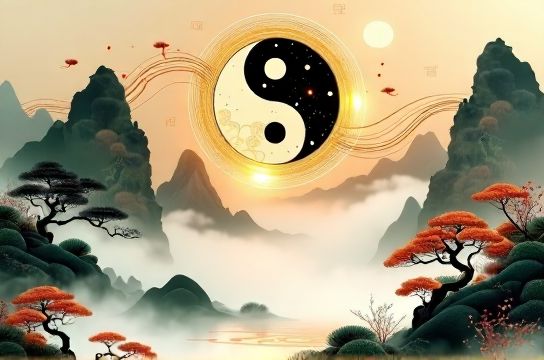
This leads us to the famous Yin and Yang theory. Yin represents cool, restful, inward energy; Yang is warm, active, outward energy. Health isn’t about having more Yang or Yin—it’s about harmony. Like a thermostat, your body constantly adjusts to stay in equilibrium.
The Five Elements: Nature’s Blueprint
Another pillar of Chinese medicine philosophy is the Five Elements: Wood, Fire, Earth, Metal, and Water. These aren’t just materials—they symbolize phases of transformation, much like seasons. Each element connects to organs, emotions, and even tastes.
Here’s how they map out:
| Element | Organs | Emotion | Season | Taste |
|---|---|---|---|---|
| Wood | Liver, Gallbladder | Anger | Spring | Sour |
| Fire | Heart, Small Intestine | Joy | Summer | Bitter |
| Earth | Spleen, Stomach | Worry | Late Summer | Sweet |
| Metal | Lung, Large Intestine | Grief | Autumn | Pungent |
| Water | Kidney, Bladder | Fear | Winter | Salty |
Notice a pattern? Your liver (Wood) might flare up when you're stressed in spring. Feeling sluggish in winter? That’s a Water-Kidney signal. TCM practitioners use this system to trace symptoms back to their root—not just mask them.
Prevention > Cure: The TCM Mindset
Ancient Chinese doctors were paid only if their patients stayed healthy. Wild, right? This shows TCM’s real focus: prevention. Instead of waiting for disease, it uses diet, herbs, acupuncture, and lifestyle tweaks to keep Qi flowing.
For example, instead of reaching for antihistamines in spring, a TCM expert might suggest eating more pungent foods (like ginger) to clear Liver Qi stagnation—yes, allergies could be a Wood-element imbalance!
Modern Science Catches Up
You might think this sounds mystical, but research backs some claims. A 2021 meta-analysis in Frontiers in Medicine found acupuncture effective for chronic pain, with over 60% of patients reporting improvement. Herbal formulas like Xiao Yao San are now studied for anxiety and liver health.
Still, TCM isn’t a replacement for emergency care or serious conditions. It works best as a complementary system—especially for stress, digestion, sleep, and long-term wellness.
Final Thoughts: Wisdom for Modern Life
In a world obsessed with speed, Traditional Chinese Medicine reminds us that health is a rhythm, not a race. By tuning into nature’s cycles and our inner balance, we don’t just survive—we thrive.