Understanding Chinese Medicine Philosophy Deeply
- 时间:
- 浏览:189
- 来源:TCM1st
If you've ever scratched your head wondering why Chinese medicine feels so different from Western approaches, you're not alone. As a holistic health blogger who's spent over a decade diving into traditional healing systems, I’m here to break down the philosophy of Chinese medicine in a way that’s actually relatable — no textbook jargon, just real insight.
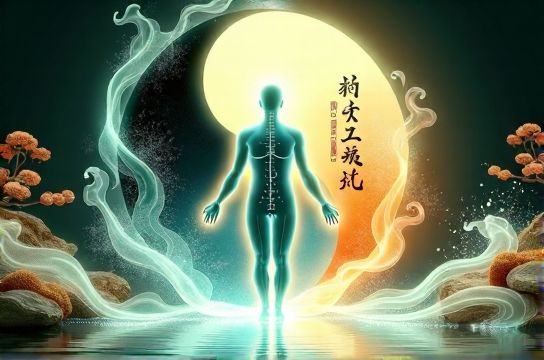
At its core, Chinese medicine isn’t about treating symptoms. It’s about balance. Think of your body like a garden. In Western medicine, if weeds pop up, you pull them out (hello, painkillers). But in Chinese medicine? You ask: Why are the weeds thriving? Is the soil too damp? Not enough sunlight? That’s where concepts like Qi (vital energy) and Yin-Yang come in.
Let’s get practical. Here’s a quick comparison:
| Aspect | Western Medicine | Chinese Medicine |
|---|---|---|
| Approach | Disease-focused | Body-mind-spirit balance |
| Diagnosis | Labs & imaging | Pulse, tongue, observation |
| Treatment | Drugs, surgery | Herbs, acupuncture, diet |
| Prevention | Secondary | Primary focus |
See the difference? While both have their place, Chinese medicine prioritizes staying well before illness hits. According to a 2022 WHO report, countries integrating traditional medicine into public health saw a 15–20% improvement in chronic disease management — especially for conditions like insomnia, digestive issues, and stress.
Now, let’s talk Yin and Yang. No, it’s not just a trendy tattoo. These are dynamic forces shaping your health. Simplified:
- Yin = cool, rest, nourish (think: sleep, hydration)
- Yang = warm, active, energizing (hello, workouts and metabolism)
When they’re balanced? You feel great. Out of whack? You might be tired but wired, or constantly catching colds. A 2020 study in the Journal of Integrative Medicine found that patients using acupuncture to regulate Yin-Yang reported a 37% drop in fatigue levels within 8 weeks.
And then there’s the Five Elements — Wood, Fire, Earth, Metal, Water — each linked to organs, emotions, and seasons. For example, spring is Wood season, tied to the liver and anger. So if you’re irritable every March? Maybe your liver Qi is stuck. Acupuncturists use this framework daily to guide treatment.
The bottom line? Understanding the philosophy of Chinese medicine isn’t just academic — it’s empowering. Once you start seeing health as flow, not failure, everything changes. Start small: notice how food, sleep, and emotions affect your energy. Your body’s been talking all along — you just needed the right language to listen.