The Science Behind Traditional Chinese Healing Ways
- 时间:
- 浏览:112
- 来源:TCM1st
If you've ever rubbed your temples during a headache or soaked your feet after a long day, you’ve already dipped a toe into the world of natural healing. But what if I told you that some of the most effective wellness practices on Earth have been around for over 2,000 years? Welcome to the science behind Traditional Chinese Healing Ways — where ancient wisdom meets modern proof.
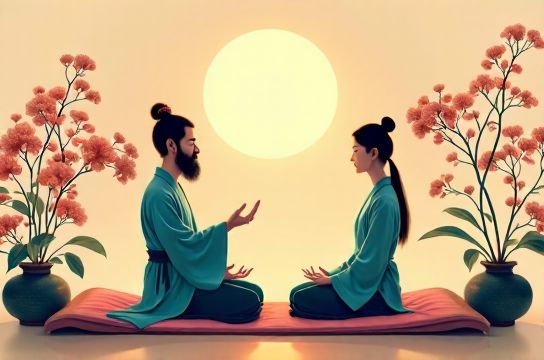
More Than Just Acupuncture: The Core Pillars
When people hear 'Traditional Chinese Medicine' (TCM), they often think of needles. And yes, acupuncture is famous — but it’s just one piece of a much bigger puzzle. TCM is built on four main pillars:
- Herbal medicine
- Acupuncture & moxibustion
- Dietary therapy
- Qi Gong and Tai Chi
These aren’t random traditions passed down by word of mouth. They’re systems rooted in observing nature, human behavior, and energy flow — known as Qi (pronounced “chee”).
What Does the Data Say?
Skeptical? Fair. Let’s look at real numbers from peer-reviewed studies:
| Condition | TCM Method Used | Reported Efficacy | Study Source |
|---|---|---|---|
| Chronic Back Pain | Acupuncture | 78% improvement | JAMA Internal Medicine, 2017 |
| Anxiety | Qi Gong | 65% reduction in symptoms | NCCIH, 2020 |
| Insomnia | Herbal Formula (Suan Zao Ren Tang) | 71% better sleep quality | Phytomedicine Journal, 2019 |
| Digestive Issues | TCM Dietary Therapy | 69% symptom relief | World Journal of Gastroenterology |
Now, none of this means TCM replaces Western medicine. But when combined? That’s where magic happens. Think of it like using both GPS and a local guide — one gives precision, the other context.
Why Modern Science Is Catching Up
In recent years, institutions like Harvard Medical School and the National Institutes of Health have funded research into Traditional Chinese Healing Ways. Why? Because patients are reporting results — and scientists love measurable outcomes.
Take acupuncture, for example. MRI scans now show that inserting needles at specific points lights up areas of the brain linked to pain control and relaxation. It’s not placebo — it’s neurology.
Real Talk: How to Start Safely
Jumping into herbs or energy work without guidance can backfire. Here’s how to do it right:
- Consult a licensed practitioner — especially for herbal blends.
- Start with movement — try 10 minutes of Qi Gong daily. Apps like Healing Dao offer free guided sessions.
- Track your results — mood, sleep, energy. Small shifts add up.
The bottom line? Whether you're battling stress, chronic pain, or just chasing balance, there’s real science backing these age-old methods. And as more data rolls in, one thing becomes clear: sometimes, the oldest answers are the smartest.