Eastern Thought and the Growth of TCM Knowledge
- 时间:
- 浏览:108
- 来源:TCM1st
If you're diving into the world of natural health, you've probably heard about Traditional Chinese Medicine (TCM). But what makes it so different from Western medicine? Spoiler: It’s all about balance, energy flow, and a holistic view of the body. As someone who’s spent years comparing wellness systems, I can tell you—TCM isn’t just ancient wisdom; it’s a living, evolving practice backed by growing scientific interest.
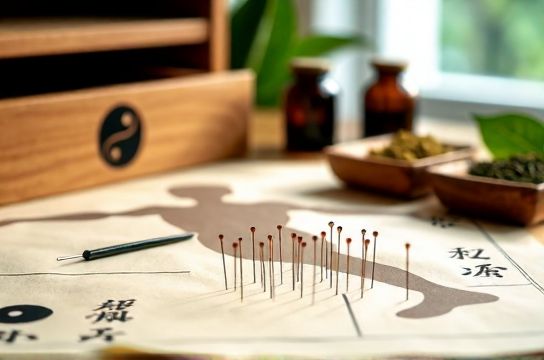
Unlike symptom-focused treatments, TCM sees illness as a sign of imbalance in the body’s vital energy—qi. Think of your body like a garden. Western medicine might pull the weeds (treat symptoms), but TCM focuses on enriching the soil (restoring internal harmony). That’s why practices like acupuncture, herbal formulas, and qigong are central—they’re not quick fixes, they’re long-term investments in health.
Let’s talk numbers. According to a 2022 report by the World Health Organization, over 1 billion people have used TCM therapies worldwide. In China alone, TCM hospitals serve more than 600 million outpatient visits annually. And it’s not just Asia—Europe and North America are seeing a surge in licensed acupuncturists and integrative clinics.
Why Is TCM Gaining Global Trust?
Modern research is finally catching up. A meta-analysis published in the Journal of Integrative Medicine found that acupuncture significantly reduces chronic pain—with effects comparable to conventional drugs, but without the side effects. Meanwhile, herbs like astragalus and ginseng are being studied for immune modulation and anti-inflammatory properties.
But here’s the real kicker: TCM is now part of national policy in over 30 countries. The WHO even included TCM in its International Classification of Diseases (ICD-11) in 2019—a major step toward global medical recognition.
TCM vs. Modern Medicine: A Comparison
| Aspect | TCM | Western Medicine |
|---|---|---|
| Approach | Holistic, preventive | Symptom-targeted, reactive |
| Diagnosis | Tongue, pulse, pattern recognition | Labs, imaging, biomarkers |
| Treatment Duration | Long-term, lifestyle-based | Short-term, acute focus |
| Patient Role | Active participant | Passive recipient |
| Global Reach | 180+ countries | Global standard |
Still skeptical? Consider this: In a 2023 U.S. survey, 68% of patients using acupuncture reported improved quality of life after just 6 sessions. That’s not placebo—that’s power.
One thing I always tell my readers: Don’t treat TCM knowledge as a trend. It’s a system refined over 2,500 years. Whether you’re battling stress, digestive issues, or chronic fatigue, exploring TCM could be the missing piece in your wellness puzzle.
The bottom line? Eastern thought isn’t replacing modern medicine—it’s complementing it. And with more clinical validation every year, TCM is stepping confidently into the future of global healthcare.