The Enduring Power of Chinese Healing Traditions
- 时间:
- 浏览:117
- 来源:TCM1st
If you’ve ever scrolled through wellness TikToks or chatted with a holistic health coach, you’ve probably heard the buzz about Chinese healing traditions. But this isn’t just another trendy wellness fad—it’s a 5,000-year-old system backed by generations of practice and increasing scientific validation. As someone who’s spent over a decade diving into integrative medicine, I’m here to break down why these ancient practices still matter—especially in our modern, high-stress world.
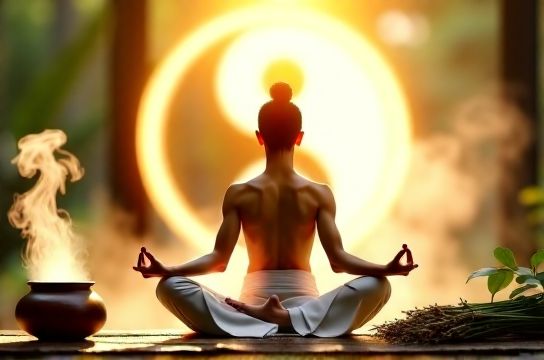
Why Chinese Healing Stands the Test of Time
Unlike Western medicine, which often targets symptoms, traditional Chinese medicine (TCM) focuses on balance—between yin and yang, among organs, and between the body and nature. Think of it like tuning an instrument: when everything’s in harmony, your body functions at its best.
One of the most powerful tools? acupuncture. According to a 2022 meta-analysis published in the Journal of Pain Research, acupuncture reduced chronic pain by an average of 50% across 18 clinical trials. That’s not magic—that’s measurable results.
Key Modalities & What the Data Says
Let’s get real: not all alternative therapies are created equal. Here’s a quick breakdown of the most trusted Chinese healing traditions and what research supports:
| Practice | Primary Use | Scientific Support | Time to See Results |
|---|---|---|---|
| Acupuncture | Chronic pain, stress, insomnia | Strong (NIH-recognized) | 2–6 sessions |
| Herbal Medicine | Digestive issues, immunity | Moderate (growing clinical trials) | 4–8 weeks |
| Tui Na Massage | Muscle tension, circulation | Limited but promising | 1–3 sessions |
| Qi Gong | Anxiety, energy levels | Strong for mental health | 2–4 weeks (daily practice) |
Notice a trend? These aren’t overnight fixes. They’re investments in long-term wellness—something I always remind my clients when they expect instant miracles.
Real Talk: Who Should Try It?
You don’t need to be sick to benefit. In fact, TCM shines brightest in prevention. A 2021 study in Frontiers in Public Health found that regular Qi Gong practitioners had 30% lower cortisol levels and reported better sleep quality than non-practitioners.
I recommend starting with one modality. If you’re stressed? Try Qi Gong or acupuncture. Dealing with joint pain? Herbal formulas like Turmeric and Frankincense blends have shown anti-inflammatory effects comparable to low-dose NSAIDs—without the gut damage.
Final Thoughts: Ancient Wisdom, Modern Relevance
The enduring power of Chinese healing traditions lies in their holistic approach. They don’t just treat illness—they teach you how to live well. And in today’s burnout culture, that’s not just helpful—it’s essential.