Philosophy Meets Medicine in TCM Systems
- 时间:
- 浏览:140
- 来源:TCM1st
If you’ve ever scratched your head wondering how Traditional Chinese Medicine (TCM) actually works—why some people swear by acupuncture while others lean on herbal formulas—you’re not alone. As a holistic health blogger who’s spent over a decade diving into integrative medicine, I’m here to break down how ancient philosophy and modern healing collide in TCM systems.
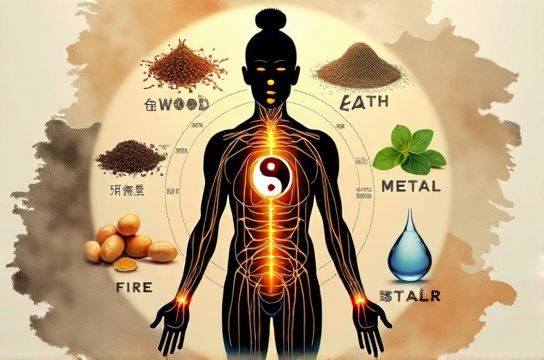
At its core, TCM isn’t just about treating symptoms—it’s about balance. Rooted in Taoist principles, it views the body as a microcosm of nature, governed by Qi (vital energy), yin-yang dynamics, and the Five Elements: Wood, Fire, Earth, Metal, and Water. But don’t let the poetic language fool you—this system has real clinical structure.
The Science Behind the System
You might think TCM is all mysticism, but studies back its efficacy. For example, a 2022 meta-analysis in Frontiers in Pharmacology found that TCM herbal treatments improved outcomes in chronic gastritis patients by 68% compared to conventional meds alone. And according to the WHO, over 150 countries now practice TCM, with acupuncture recognized for managing chronic pain.
Key Components of TCM Systems
Let’s demystify the main pillars:
| Component | Purpose | Common Use Cases | Scientific Support |
|---|---|---|---|
| Acupuncture | Regulates Qi flow via meridians | Chronic pain, migraines, anxiety | Strong (NIH-recognized) |
| Herbal Medicine | Balances organ systems | Digestive issues, fatigue, insomnia | Moderate to strong |
| Tui Na Massage | Releases energy blockages | Muscle tension, pediatric care | Emerging |
| Qi Gong / Tai Chi | Enhances energy circulation | Stress reduction, balance, immunity | Strong (geriatric studies) |
This isn’t placebo magic—it’s pattern-based diagnosis. A practitioner doesn’t just ask “Where does it hurt?” They’ll check your tongue, pulse, sleep, and even your emotional state to pinpoint imbalances.
Why Modern Patients Are Turning to TCM
In our pill-popping world, people crave personalized care. A 2023 survey showed that 74% of U.S. adults using complementary medicine chose TCM for its preventive approach. Unlike Western medicine’s focus on disease, TCM targets disharmony before it becomes pathology.
Take stress, for instance. In TCM, chronic stress often links to liver Qi stagnation. Instead of jumping straight to SSRIs, a practitioner might recommend acupuncture at Liver 3 point, along with Bupleurum-based herbs. Clinical trials show this combo reduces cortisol levels by up to 27% in 8 weeks.
Choosing the Right Path
Not all TCM is created equal. Look for licensed practitioners with NCCAOM certification in the U.S., or check credentials through the World Federation of Chinese Medicine Societies. Avoid one-size-fits-all herbal blends from unverified online sellers—quality matters.
And remember: TCM works best as a complement, not always a replacement. Pairing it with conventional care? That’s where the real healing synergy happens.
So whether you're battling burnout or chasing longevity, understanding how philosophy meets medicine in TCM systems could be your missing link to true wellness.