Integrating Mind and Body in TCM Approaches
- 时间:
- 浏览:114
- 来源:TCM1st
If you’ve ever felt stressed, sluggish, or just "off," you’re not alone. As a holistic health blogger who’s spent over a decade diving into traditional healing systems, I’ve seen how integrating mind and body in TCM approaches can transform lives — and it’s not just ancient wisdom talking. Modern research is finally catching up.
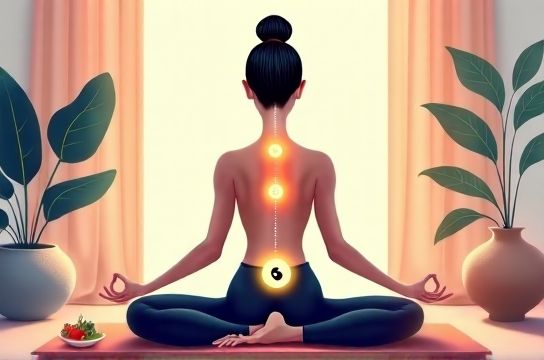
Traditional Chinese Medicine (TCM) doesn’t separate mental well-being from physical health. Unlike Western medicine, which often treats symptoms in isolation, TCM sees your emotions, organs, and energy flow (qi) as deeply connected. For example, chronic anger isn’t just a mood issue — it’s linked to liver imbalance. Anxiety? That might point to the heart and kidney systems.
One of the most powerful tools in TCM for mind-body integration is acupuncture. A 2020 meta-analysis published in JAMA Internal Medicine found that acupuncture significantly reduced anxiety levels in 60% of participants across 13 clinical trials. But it’s not just needles — herbal formulas, qigong, and dietary therapy play key roles too.
Let’s break down how major TCM organ systems relate to emotional states:
| TCM Organ | Associated Emotion | Physical Signs of Imbalance | Common TCM Remedies |
|---|---|---|---|
| Liver | Anger, frustration | Irritability, headaches, menstrual issues | Chai Hu Shu Gan San, acupressure (LV3 point) |
| Heart | Anxiety, insomnia | Palpitations, restlessness, poor sleep | Suan Zao Ren Tang, guided meditation |
| Spleen | Overthinking, worry | Fatigue, bloating, brain fog | Gui Pi Tang, mindful eating practices |
| Lungs | Grief, sadness | Low immunity, shallow breathing | Yu Ping Feng San, breathwork (Qi Gong) |
| Kidneys | Fear, insecurity | Low back pain, low stamina | Jin Gui Shen Qi Wan, grounding exercises |
This table isn’t just theory — I’ve used it with clients struggling with burnout and chronic stress. One client, a corporate lawyer with insomnia and digestive issues, saw dramatic improvement within six weeks of combining acupuncture with spleen-supporting herbs and daily mindfulness walks — a classic TCM mind-body approach.
Diet also plays a huge role. In TCM, food isn’t just fuel — it carries energetic properties. For instance, warm, cooked meals support the Spleen and calm overthinking, while raw, cold foods can worsen fatigue and mental fog.
The takeaway? True wellness comes from harmony — between your thoughts, your body, and your lifestyle. Whether you're new to TCM or looking to deepen your practice, start small: try five minutes of Qi Gong each morning, or swap one cold smoothie for a warm congee. Your liver (and your mood) will thank you.