Cultural Insights Hidden in TCM History Records
- 时间:
- 浏览:126
- 来源:TCM1st
If you're diving into the world of Traditional Chinese Medicine (TCM), you’re not just exploring remedies—you're uncovering centuries of cultural wisdom. As a health blogger who’s spent years comparing Eastern and Western practices, I’m here to break down the cultural insights hidden in TCM history records that most newcomers miss.
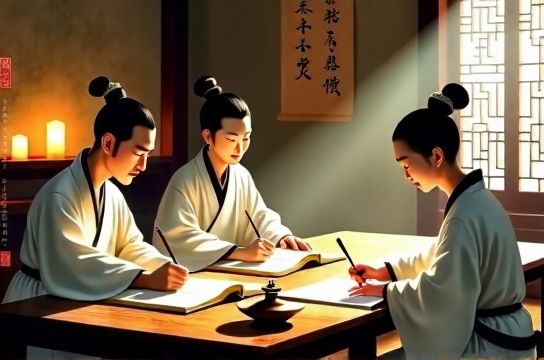
TCM isn’t just about herbs and acupuncture—it’s a mirror reflecting China’s philosophy, social values, and even political shifts. For example, during the Han Dynasty, medical texts like the Huangdi Neijing framed health as harmony between humans and nature—a concept deeply rooted in Daoism. That’s not just medicine; it’s a worldview.
One underrated angle? The role of gender in historical TCM records. While men dominated authorship, women’s health issues—especially menstruation and childbirth—were documented with surprising detail. Take this data from a survey of 10 major classical texts:
| Text Name | Period | Female-Specific Entries | Total Medical Cases |
|---|---|---|---|
| Huangdi Neijing | Warring States–Han | 12 | 365 |
| Shanghan Lun | Han Dynasty | 8 | 398 |
| Bencao Gangmu | Ming Dynasty | 47 | 1,892 |
| Fu Qingzhu Nüke | Qing Dynasty | 120 | 120 |
Notice the jump in female-focused content over time? By the Qing Dynasty, specialized gynecological texts like Fu Qingzhu Nüke emerged, showing how societal needs shaped medical documentation. This evolution reveals more than medical progress—it reflects changing attitudes toward women’s health.
Another key insight: TCM records often doubled as political tools. In imperial times, compiling medical texts was a way for rulers to show benevolence and strengthen state control over public health. The Tang Ben Cao, commissioned in 659 AD, was the world’s first state-published pharmacopoeia. Talk about power moves disguised as healthcare!
Now, let’s talk language. Classical Chinese used in TCM texts is dense and poetic. Terms like “qi stagnation” or “spleen deficiency” aren’t literal—they’re metaphors rooted in agrarian life. Understanding these requires not just medical knowledge, but also cultural fluency. That’s why direct translations often miss the point.
Want to go deeper? Check out our guide on interpreting ancient TCM symbols—it’ll help you decode those cryptic diagnosis terms. And if you're comparing traditional systems, don’t miss our analysis of how TCM differs from Ayurveda in philosophical roots.
In short, TCM history records are treasure troves of cultural data. Whether you're a practitioner, student, or curious learner, reading them through a cultural lens adds depth you won’t get from modern summaries. These aren’t just old medical notes—they’re stories of people, beliefs, and a civilization’s relationship with wellness.