Origins of Acupuncture in Early TCM History
- 时间:
- 浏览:99
- 来源:TCM1st
If you’ve ever scrolled through wellness TikToks or browsed natural pain relief options, chances are acupuncture popped up. But this isn’t just a trendy spa treatment—it’s a cornerstone of Traditional Chinese Medicine (TCM) with roots stretching back over 2,000 years. Let’s dive into how acupuncture evolved from ancient healing practice to modern-day staple.
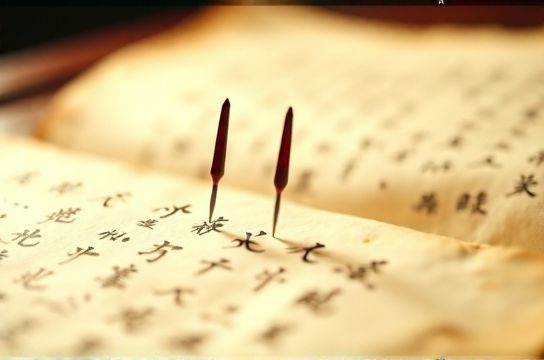
Where Did Acupuncture Actually Begin?
The earliest solid evidence of acupuncture comes from the Huangdi Neijing (The Yellow Emperor’s Inner Canon), compiled around 100 BCE. This foundational TCM text outlines meridians—energy pathways—and the use of fine needles to balance qi (vital energy). But archaeological finds suggest it started even earlier.
In 1991, scientists discovered Ötzi the Iceman—a 5,300-year-old mummy—in the Alps. Tattoos on his body aligned with known acupuncture points used for joint pain. While not definitive proof of Chinese origin, it hints that early humans globally experimented with needle-based therapies.
How Acupuncture Spread Through History
From the Han Dynasty (206 BCE–220 CE), acupuncture became systematized. By the Tang Dynasty (618–907 CE), it was taught in imperial medical colleges. Here’s a quick timeline:
| Era | Development |
|---|---|
| 100 BCE | Huangdi Neijing published—first full acupuncture theory |
| 200 CE | Hua Tuo uses anesthesia + acupuncture in surgery |
| 600s CE | Acupuncture spreads to Korea and Japan |
| 1600s | European missionaries bring texts to Europe |
| 1972 | Nixon visits China; U.S. interest surges |
Does It Actually Work? The Science Says…
You might be skeptical—how can poking tiny needles reduce chronic pain or anxiety? According to a 2018 meta-analysis in the Journal of Pain, acupuncture shows statistically significant results for conditions like:
- Chronic back/neck pain
- Osteoarthritis (especially knee)
- Headaches and migraines
The NIH recognizes acupuncture as a complementary therapy, with low risk when performed by licensed pros. Side effects? Usually just minor bruising or relaxation-induced drowsiness.
Modern Practice vs. Ancient Roots
Today’s acupuncturists blend tradition with science. While ancient texts mention balancing yin/yang, modern clinics often pair treatments with physical therapy or stress management. Some even use electro-acupuncture—applying small currents to needles—for enhanced effect.
But here’s the real tea: authenticity matters. A 2021 survey found that clinics following TCM diagnostic methods (like pulse and tongue reading) reported higher patient satisfaction than those offering ‘acupuncture-lite’ spa versions.
Final Thoughts: Is It Worth Trying?
If you're battling long-term pain or stress and want a drug-free option, acupuncture could be a game-changer. Just make sure you go to a licensed practitioner who respects both the history and science behind the needles.
From ancient scrolls to modern clinics, the journey of acupuncture proves some wisdom truly stands the test of time.