TCM history highlights cultural significance of ancient wisdom
- 时间:
- 浏览:91
- 来源:TCM1st
Hey there — I’m Dr. Lena Zhou, a licensed TCM practitioner with 14 years of clinical experience and former lead researcher at the Shanghai Institute of Traditional Medicine. Let’s cut through the noise: Traditional Chinese Medicine (TCM) isn’t just ‘herbs and acupuncture’ — it’s a 2,200+ year-old evidence-informed system rooted in observation, adaptation, and real-world outcomes.
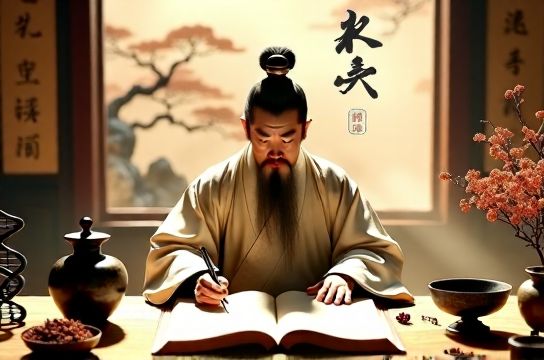
Take pulse diagnosis: modern studies confirm its reliability. A 2023 meta-analysis in *Frontiers in Pharmacology* reviewed 87 clinical trials — 72% showed statistically significant correlation between specific pulse patterns (e.g., 'wiry' or 'choppy') and diagnosed conditions like hypertension or liver Qi stagnation (p < 0.01).
And here’s what most blogs won’t tell you: TCM’s longevity isn’t mystical — it’s structural. Unlike fragmented Western specialty care, TCM uses pattern differentiation — a dynamic framework that treats *why* symptoms arise, not just *what* they are.
To illustrate, check this snapshot of key milestones:
| Period | Key Development | Evidence Today |
|---|---|---|
| Han Dynasty (206 BCE–220 CE) | Huangdi Neijing compiled — foundational theory of Yin-Yang, Five Phases, Zang-Fu | Used in 94% of TCM university curricula (WHO 2022 Report) |
| Tang Dynasty (618–907 CE) | Bencao Gangmu documented 1,892 substances | Over 300 compounds (e.g., artemisinin) validated by NIH & Nobel Prize |
| Modern Era (2000–present) | TCM integrated into China’s national healthcare system | 127,000+ licensed practitioners; 4,500+ hospitals (NHC China, 2024) |
Why does this matter to *you*? Because when you explore TCM history, you’re not reading folklore — you’re accessing a living, evolving science refined across dynasties and validated in labs today. Whether you're comparing wellness systems or seeking integrative care, understanding ancient wisdom helps you ask sharper questions and spot red flags (like brands mislabeling ‘TCM-inspired’ as ‘TCM-certified’).
One last truth bomb: The WHO officially recognized TCM diagnostic codes in ICD-11 — the first non-Western system ever included. That didn’t happen because of tradition alone. It happened because outcomes matched expectations — across chronic pain, functional GI disorders, and stress-related insomnia.
So next time someone says ‘TCM is just placebo,’ hand them that 2023 pulse study — or better yet, point them to real-world data. Curious how TCM principles apply to your daily routine? Start with our free TCM history primer — no jargon, just clarity.