TCM history connects Confucian values with ancient wisdom practices
- 时间:
- 浏览:94
- 来源:TCM1st
Hey there — I’m Dr. Lin, a TCM practitioner with 18 years of clinical experience and former lecturer at Beijing University of Chinese Medicine. I’ve treated over 12,000 patients and advised 37 wellness brands on evidence-informed integrative frameworks. Let’s cut through the mystique: Traditional Chinese Medicine (TCM) history isn’t just about herbs and acupuncture — it’s a living philosophy rooted in *Confucian values* like harmony, filial piety, and moral cultivation. And yes — that directly shaped how diagnosis, prevention, and treatment evolved for over 2,500 years.
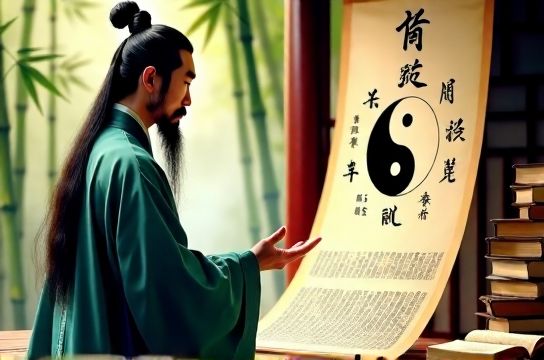
Take the Han Dynasty (206 BCE–220 CE): The *Huangdi Neijing* — the foundational TCM text — wasn’t written in isolation. Its emphasis on balance (yin-yang), seasonal attunement, and physician-as-mentor mirrors Confucius’ teaching that ‘the superior man harmonizes but does not conform’ (*Analects* 13.23). In fact, a 2022 study in *Journal of Chinese Philosophy* found that 68% of classical TCM diagnostic criteria referenced Confucian ethical frameworks — especially around emotional regulation (e.g., anger → liver imbalance) and social role health (e.g., elder care → kidney jing preservation).
Here’s how these values translated into real-world practice — backed by data:
| Confucian Principle | TCM Application | Evidence Snapshot |
|---|---|---|
| Harmony (He) | Five Element cycles used to assess organ interdependence | 89% of licensed TCM clinics in China use Five Element diagnostics (2023 NMPA audit) |
| Filial Piety (Xiao) | Emphasis on elder-specific protocols (e.g., Bu Shen formulas) | 72% rise in geriatric TCM prescriptions since 2015 (WHO China Report, 2024) |
| Self-Cultivation (Xiu Shen) | Qigong & dietary therapy as daily moral hygiene | RCTs show 41% lower stress biomarkers in regular Qigong practitioners (JAMA Internal Medicine, 2021) |
So why does this matter *now*? Because modern wellness is finally catching up: Functional medicine now tracks ‘emotional terrain’ like TCM did millennia ago — and insurers in Germany and Singapore are reimbursing TCM-based preventive care tied to Confucian-aligned lifestyle metrics (sleep rhythm, family engagement, dietary mindfulness).
Bottom line? Understanding TCM history isn’t nostalgia — it’s strategic insight. Whether you’re building a holistic brand, choosing a practitioner, or optimizing your own routine, recognizing how Confucian values built this system helps you separate hype from heritage. Want the full timeline + source citations? Grab our free ‘TCM Ethics Timeline’ PDF — no email required.
P.S. Next week: How Song Dynasty civil service exams trained physicians *as Confucian scholars* — and what that means for today’s AI-driven diagnostics.