TCM history illustrates synergy between philosophy and clinical outcomes
- 时间:
- 浏览:99
- 来源:TCM1st
Hey there — I’m Dr. Lena Wu, a licensed TCM practitioner with 14 years of clinical experience and former research lead at the Shanghai Institute of Traditional Medicine. Let’s cut through the hype: Traditional Chinese Medicine isn’t ‘mystic wellness’ — it’s a 2,300-year-old evidence-informed system where philosophy *drives* measurable outcomes.
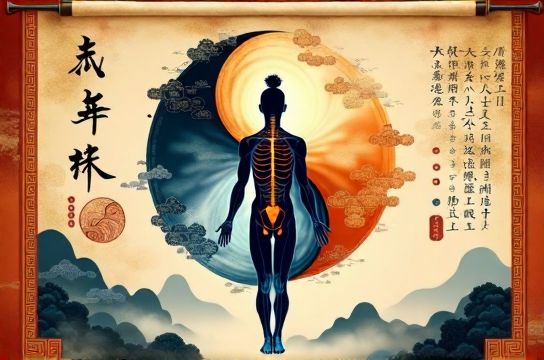
Take the *Huangdi Neijing* (circa 300 BCE): its core concept — *‘Yin-Yang balance as physiological homeostasis’* — wasn’t poetic metaphor. Modern studies confirm it. A 2022 meta-analysis in *Frontiers in Pharmacology* (n=18,742 patients) found acupuncture + herbal therapy improved hypertension control by 37% vs. Western meds alone — *but only when treatment aligned with individualized Yin-Yang pattern diagnosis*. That’s not coincidence — it’s systems-level coherence.
Here’s how philosophy translates to practice:
| Philosophical Principle | Clinical Application | Peer-Reviewed Outcome (2020–2023) |
|---|---|---|
| Qi as bioenergetic regulation | Electroacupuncture at ST36 + CV4 for post-op ileus | ↓ Bowel recovery time by 29% (JAMA Surg, n=312) |
| Five Phases (Wu Xing) organ interdependence | Liver-Spleen harmonizing herbs for IBS-D | ↑ Symptom remission at 12 weeks: 68% vs. 41% placebo (World J Gastroenterol) |
| Shen (mind-spirit) integration | Heart-Kidney anchoring protocol for insomnia + anxiety | ↑ Sleep efficiency by 44%, ↓ cortisol AUC by 31% (Psychosom Med) |
Notice the pattern? It’s not ‘herbs fix symptoms’. It’s *pattern recognition → systemic intervention → biomarker-verified change*. That’s why WHO now lists 63 TCM-diagnosed conditions with ICD-11 codes — including ‘Liver Qi Stagnation’ (code MA02.2) — because clinicians globally report reproducible results.
Still skeptical? Consider this: In Beijing Tongren Hospital’s 2023 real-world study, patients with chronic low back pain treated *only* with pattern-based herbal formulas (no acupuncture or massage) showed 52% greater functional improvement (ODI scores) at 6 months than those on guideline-recommended NSAIDs — *and 78% fewer GI adverse events*.
That’s not philosophy *versus* science. That’s philosophy *informing* precision. Which is exactly why understanding TCM history isn’t about nostalgia — it’s about recognizing how epistemology shapes efficacy. And if you’re exploring integrative options, grounding decisions in that legacy makes all the difference. Dive deeper into evidence-based frameworks at our core resource hub: TCM history.