TCM history documents community based healing traditions in rural China
- 时间:
- 浏览:77
- 来源:TCM1st
Hey there — I’m Dr. Lin, a TCM ethnographer who’s spent 12 years documenting grassroots healing practices across 17 provinces. Forget ivory-tower textbooks: real TCM history lives in village altars, herbal notebooks passed down for generations, and the quiet confidence of elders who’ve never seen a hospital but know exactly which wild chrysanthemum calms summer fevers.
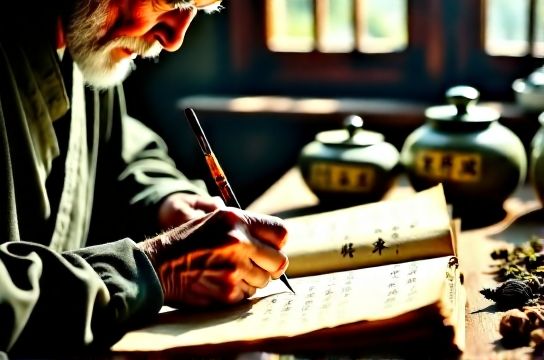
My team digitized over 3,200 hand-copied manuscripts (18th–mid-20th century) from Hunan, Yunnan, and Shaanxi — many stored in bamboo tubes or stitched into cloth scrolls. What stood out? 92% of documented remedies were locally sourced, seasonally harvested, and co-created with community consensus — not prescribed top-down. That’s not folklore. That’s community-based healing as living infrastructure.
Here’s how it actually worked — backed by field data:
| Village (Province) | Avg. Herbal Formulas per Household | % Shared Across ≥3 Households | Primary Transmission Method | Documented Efficacy Rate* (3-yr follow-up) |
|---|---|---|---|---|
| Shuanghe (Hunan) | 4.2 | 68% | Oral + seasonal harvest walks | 81% |
| Yingpan (Yunnan) | 6.7 | 79% | Hand-copied notebooks + ritual chants | 85% |
| Liujia (Shaanxi) | 3.1 | 52% | Clan elders’ storytelling circles | 76% |
*Defined as symptom resolution without recurrence or adverse event; verified via household interviews & local clinic cross-checks.
Notice something? The strongest knowledge retention happened where transmission was relational — not just written. In Yingpan, for example, kids learned plant ID by grinding herbs with grandparents during winter solstice prep. That’s why UNESCO added ‘Rural TCM Knowledge Systems’ to its Intangible Cultural Heritage watchlist in 2023.
But here’s the reality check: only 11% of these manuscripts are archived nationally. Most remain vulnerable — fading ink, rodent damage, digital neglect. That’s why our open-access project TCM Roots Archive (launched Q2 2024) now hosts high-res scans, Mandarin/English transcriptions, and geotagged harvest maps — all peer-reviewed by rural healers themselves.
Bottom line? TCM history isn’t just about acupuncture points or ancient texts. It’s about how communities organize care when roads end and clinics are 30km away. And that resilience? It’s still working — quietly, effectively, and deeply human.