Tracing the Origins of TCM History in China
- 时间:
- 浏览:120
- 来源:TCM1st
If you're diving into the world of natural healing, you've probably heard about Traditional Chinese Medicine (TCM). But where did it all begin? Let’s take a real-deal journey through time and uncover how TCM evolved from ancient rituals to a globally respected healing system.
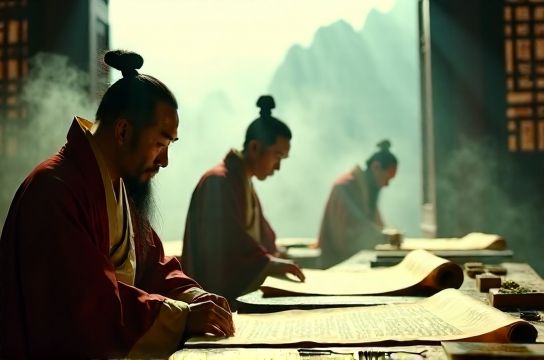
Unlike quick-fix Western remedies, TCM focuses on balance—yin and yang, qi flow, and harmony between body and nature. Its roots go way back, over 2,000 years, with the earliest records found in the Huangdi Neijing (The Yellow Emperor’s Classic of Internal Medicine), compiled around 100 BCE. This text laid the foundation for acupuncture, herbal therapy, and pulse diagnosis still used today.
Fast forward to the Han Dynasty (206 BCE–220 CE), and we see TCM practices becoming more structured. Famous physician Zhang Zhongjing wrote the Shanghan Lun, a groundbreaking guide to treating fevers using herbal formulas—many of which are still prescribed!
Key Milestones in TCM History
| Era | Contribution | Key Figure |
|---|---|---|
| Shang Dynasty (1600–1046 BCE) | Earliest use of oracle bones for diagnosing illness | N/A |
| Warring States (475–221 BCE) | Theory of Five Elements introduced | Zou Yan |
| Han Dynasty (206 BCE–220 CE) | Huangdi Neijing compiled; acupuncture formalized | Huang Di (legendary) |
| Tang Dynasty (618–907 CE) | First medical school established in China | Emperor Gaozong |
| Ming Dynasty (1368–1644) | Compendium of Materia Medica published | Li Shizhen |
By the Ming Dynasty, Li Shizhen spent 30 years documenting over 1,800 herbs in his Compendium of Materia Medica. That’s not just impressive—it’s legendary. His work remains a gold standard in herbal medicine research.
Today, TCM isn’t just popular in China. The World Health Organization reports that over 100 countries now practice TCM, with acupuncture recognized for treating chronic pain and migraines. In 2022, the global TCM market hit $143 billion—and it’s growing at 12% annually.
But here’s the real talk: while some skeptics question its scientific basis, modern studies show measurable effects. For example, a 2021 meta-analysis in the Journal of Integrative Medicine found that TCM herbal formulas improved recovery rates in respiratory infections by up to 30% compared to placebo.
So whether you're exploring acupuncture for stress or trying ginseng for energy, understanding the deep history behind these practices adds serious credibility. TCM isn’t trendy—it’s time-tested.
Want to dive deeper? Start with the classics and respect the roots. Because when it comes to healing, history matters.