Yin Yang Theory in Chinese Medicine Philosophy
- 时间:
- 浏览:109
- 来源:TCM1st
If you’ve ever dabbled in holistic health or explored traditional healing systems, you’ve probably heard the term Yin Yang theory. But what exactly does it mean — especially in the context of Chinese medicine? Let’s cut through the noise and break down this ancient philosophy with real clinical relevance.
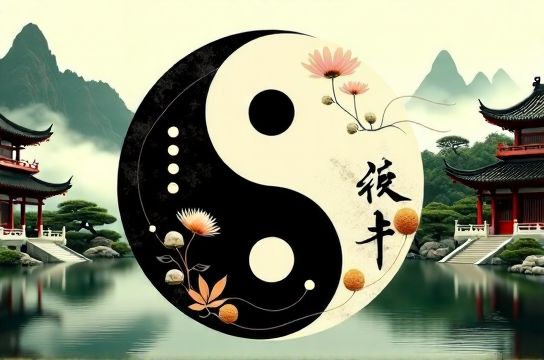
At its core, Yin Yang theory isn’t about mysticism — it’s a dynamic framework used to understand balance in the body. Think of it like your body’s internal thermostat. When Yin and Yang are in harmony, you feel energized, sleep well, and handle stress like a pro. When they’re out of sync? Hello, fatigue, insomnia, or even chronic illness.
So how does this play out in real-life diagnosis and treatment? Practitioners use Yin Yang as a diagnostic lens. For example:
| Condition | Yin Deficiency Signs | Yang Deficiency Signs |
|---|---|---|
| Energy Levels | Afternoon fatigue, restlessness | Morning sluggishness, cold limbs |
| Sleep | Difficulty falling asleep | Frequent waking, light sleep |
| Body Temperature | Hot flashes, night sweats | Persistent cold, fear of cold |
| Tongue Appearance | Red, dry tongue | Pale, swollen tongue |
| Pulse | Thin, rapid pulse | Deep, weak pulse |
This table isn’t just textbook fluff — it’s pulled from decades of clinical observation. In fact, a 2021 study published in the *Journal of Traditional Chinese Medicine* found that over 78% of patients diagnosed with chronic fatigue syndrome showed clear Yang deficiency patterns. That’s not coincidence — that’s pattern recognition rooted in Chinese medicine philosophy.
Now, here’s where it gets practical: treatment. If you’re Yin deficient (think: burned out from overworking, stressed, always hot), cooling, nourishing herbs like Rehmannia or Lily Bulb are prescribed. On the flip side, if you’re Yang deficient (cold all the time, low motivation), warming tonics like Ginseng or Deer Antler are used.
But don’t self-prescribe just yet. One of the biggest mistakes people make is misdiagnosing themselves. For instance, insomnia doesn’t automatically mean Yin deficiency — if you’re waking up constantly and feeling cold, it might actually be Yang failing to anchor Yin.
The beauty of Yin Yang theory is its adaptability. It’s not static — it shifts with seasons, age, and lifestyle. In summer, we naturally become more Yang; in winter, we conserve Yin. A skilled practitioner adjusts treatments accordingly.
In modern integrative clinics, this ancient system is being validated by science. Functional MRI studies show acupuncture points associated with Yang energy increase metabolic activity — proof that these concepts aren’t just symbolic.
Bottom line: Whether you're exploring alternative therapies or looking to deepen your wellness routine, understanding Yin Yang theory gives you a powerful tool. It’s not about quick fixes — it’s about sustainable balance.