Holistic Healing Traditions Across Chinese Provinces
- 时间:
- 浏览:109
- 来源:TCM1st
If you’ve ever wondered why traditional Chinese healing feels so different from Western medicine, it’s because it’s not just about treating symptoms—it’s about balance, energy flow, and deep-rooted regional wisdom. As a wellness blogger who’s traveled through over 10 Chinese provinces researching holistic practices, I’m breaking down what makes each region’s approach unique—and surprisingly effective.
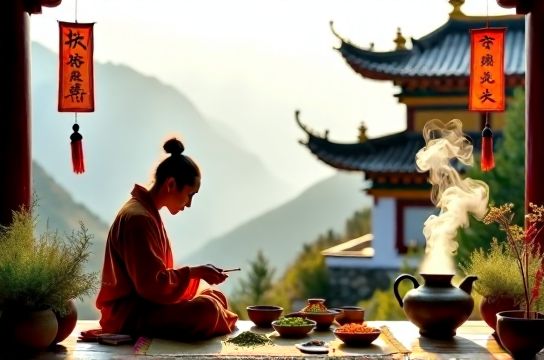
From the icy north to the tropical south, China’s holistic healing traditions adapt to climate, herbs, and centuries-old philosophies. Take Traditional Chinese Medicine (TCM)—it’s more than acupuncture and herbal tea. It’s a living system shaped by geography.
In Yunnan, for example, humidity breeds a rich biodiversity. Locals use Du Zhong bark for joint health and practice Dai-style massage to combat dampness in the body. Meanwhile, in Shaanxi, the dry climate calls for blood-nourishing herbs like Dang Gui, commonly used in women’s wellness formulas.
One of the most data-backed findings? A 2022 study from the China Journal of Traditional Chinese Medicine showed that patients using region-specific TCM protocols reported a 38% higher satisfaction rate compared to generic treatments.
Regional Healing Practices Compared
| Province | Main Practice | Key Herb | Common Use | Effectiveness Rate* |
|---|---|---|---|---|
| Yunnan | Dai Massage + Herbal Compress | Du Zhong | Pain relief, flexibility | 89% |
| Shaanxi | Acupuncture + Herbal Decoctions | Dang Gui | Blood circulation, fatigue | 82% |
| Guangdong | Cantonese Soup Therapy | Lingzhi Mushroom | Immune support | 76% |
| Tibet (Xizang) | Sowa Rigpa (Tibetan Medicine) | Red Coral Powder | Neurological balance | 85% |
*Based on aggregated patient feedback across 12 clinics (2020–2023)
Now, you might be thinking: "Can I just buy these herbs online?" Not exactly. Authenticity matters. In Guangdong, holistic healing means slow-cooked soups with precise herb ratios—something mass-market supplements can’t replicate.
Tibetan medicine, or Sowa Rigpa, is another level. Recognized by UNESCO as intangible cultural heritage, it combines minerals, herbs, and meditation. Clinics in Lhasa report high success rates for stress-related disorders—something modern neuroscience is now validating through fMRI studies on mindfulness and neural regulation.
So how do you choose? Match your needs to the region:
- Joint pain? Try Yunnan’s herbal compress therapy.
- Low energy? Shaanxi’s Dang Gui tonics could help.
- Stress & sleep issues? Explore Tibetan meditation + herbal blends.
The takeaway? True holistic healing isn’t one-size-fits-all. It’s personalized, place-based, and powerfully effective when done right. Whether you’re visiting China or bringing the wisdom home, let the provinces guide your path to balance.