Cultural Significance of Healing Traditions in Asia
- 时间:
- 浏览:111
- 来源:TCM1st
If you’ve ever traveled through Asia or dabbled in alternative wellness, you’ve probably come across ancient healing practices that go way beyond popping a pill. From Ayurveda in India to Traditional Chinese Medicine (TCM), these aren’t just folk remedies—they’re deeply rooted cultural systems with thousands of years of history. As someone who’s spent over a decade exploring holistic health trends across the continent, I can tell you: understanding the cultural significance of healing traditions in Asia isn’t just fascinating—it’s essential if you're serious about wellness.
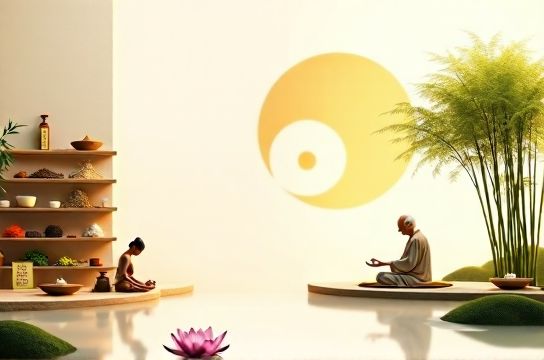
Let’s break it down. Unlike Western medicine, which often targets symptoms, Asian healing traditions focus on balance—between body, mind, and environment. Take qi (or prana, ki)—the vital life force recognized across China, India, and Japan. When this energy flows smoothly, you’re healthy. When it’s blocked? Illness follows. This philosophy shapes everything from acupuncture to yoga to food as medicine.
Why These Traditions Still Matter Today
You might think, "Ancient wisdom? Cool, but does it work?" Well, consider this: according to the World Health Organization (WHO), over 80% of people in developing countries rely on traditional medicine for primary healthcare. Even in modern economies like China and Japan, TCM and Kampo (Japanese herbal medicine) are integrated into national health systems.
Here’s a quick look at how major Asian healing systems compare:
| System | Origin | Core Principle | Common Practices | Global Users (Est.) |
|---|---|---|---|---|
| Traditional Chinese Medicine (TCM) | China | Balance of Yin & Yang, Qi flow | Acupuncture, herbal medicine, tai chi | 300 million+ |
| Ayurveda | India | Balance of doshas (Vata, Pitta, Kapha) | Diet, herbs, yoga, detox (Panchakarma) | 150 million+ |
| Kampo | Japan | Adapted TCM principles | Herbal formulas, dietary therapy | 40 million+ |
| Tibetan Medicine | Tibet | Balance of three humors (Wind, Bile, Phlegm) | Herbs, meditation, moxibustion | 5 million+ |
Now, here’s the kicker: these numbers keep growing. A 2023 report by Grand View Research found the global traditional medicine market is projected to hit $1.6 trillion by 2030, driven largely by demand in Asia and among diaspora communities.
Culture Is the Core, Not Just the Context
What makes these systems so resilient? It’s not just effectiveness—it’s cultural identity. In rural India, an Ayurvedic practitioner (vaidya) isn’t just a doctor; they’re a community elder. In China, visiting a TCM clinic during Lunar New Year is as common as getting a flu shot in January elsewhere.
And let’s talk food. Ever had congee with ginger and goji berries when sick? That’s TCM in action. Fermented turmeric drinks in Indonesia? Rooted in Ayurvedic-inspired practices. These aren’t trends—they’re generational knowledge passed down like family recipes.
But beware: globalization has led to wellness washing. You’ll find “Ayurvedic” face creams on Amazon with zero connection to actual practice. That’s why it’s crucial to seek authentic sources. Want real results? Look for practitioners certified by national boards—not Instagram influencers.
In short, the cultural significance of healing traditions in Asia goes far beyond spas and supplements. These are living, evolving systems that continue to heal millions—because they treat people, not just diseases.