Preserving Ancient Wisdom Through TCM Education
- 时间:
- 浏览:118
- 来源:TCM1st
If you’ve ever wondered how Traditional Chinese Medicine (TCM) stays relevant in today’s high-tech world, the answer lies in education. As a wellness blogger who’s spent years diving into holistic healing systems, I’m consistently amazed by how deeply rooted TCM is — not just in history, but in modern classrooms and clinics across Asia and beyond.
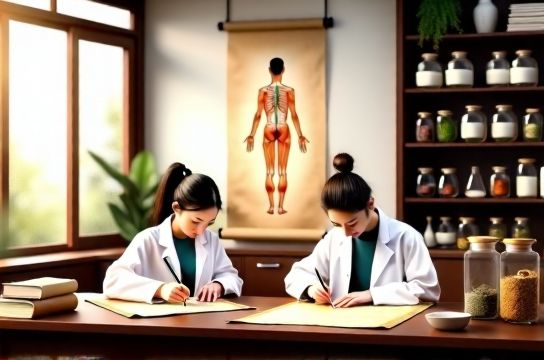
TCM isn’t just about acupuncture or herbal teas. It’s a complete medical system developed over 2,500 years ago, blending philosophy, anatomy, and natural remedies. But here’s the real question: How do we keep this ancient knowledge alive without losing its authenticity? The answer: structured, science-backed TCM education.
Why TCM Education Matters More Than Ever
According to the World Health Organization, over 1 billion people globally have used TCM therapies. In China alone, there are more than 480,000 licensed TCM practitioners. These numbers aren’t just impressive — they show that demand is rising, and with it, the need for proper training.
Top institutions like Beijing University of Chinese Medicine and Shanghai University of TCM graduate thousands each year. These programs blend classical texts (like the Huangdi Neijing) with modern biology, pharmacology, and clinical practice.
What’s Inside a Modern TCM Curriculum?
You might think studying TCM means memorizing old scrolls all day. Not quite. Today’s students dive into:
- Meridian theory & acupuncture techniques
- Chinese herbology (over 600 medicinal substances!)
- Diagnostic methods like tongue and pulse reading
- Integration with Western medicine
Here’s a quick look at what a typical 5-year undergraduate program includes:
| Year | Core Focus | Clinical Hours |
|---|---|---|
| 1 | Foundations of TCM, Anatomy, Mandarin | 0 |
| 2 | Herbology, Acupuncture Basics | 120 |
| 3 | Internal Medicine, Diagnostics | 240 |
| 4 | Specializations (e.g., dermatology, fertility) | 400 |
| 5 | Internship & Thesis | 800+ |
See that jump in clinical hours? That’s where theory meets real-world healing. Graduates don’t just pass exams — they treat patients under supervision, building confidence and competence.
The Global Push for Standardization
One challenge? Quality control. In some countries, weekend certification courses claim to ‘certify’ acupuncturists. Real TCM education takes years. That’s why the WHO and UNESCO are pushing for standardized curricula worldwide.
For example, the WHO’s International Standard Terminologies on Traditional Medicine helps unify how we teach and discuss TCM concepts — making it easier for doctors, researchers, and patients to communicate.
Final Thoughts: Bridging Past and Future
TCM isn’t fading away — it’s evolving. And education is the bridge between ancient wisdom and modern application. Whether you're considering a career in holistic health or just curious about alternative medicine, understanding how TCM is taught gives you deeper insight into its credibility and power.
So next time you hear about acupuncture or Chinese herbs, remember: behind every treatment is years of rigorous study, preserved through dedicated TCM education.