Historical Texts That Shaped TCM History Forever
- 时间:
- 浏览:171
- 来源:TCM1st
If you're diving into Traditional Chinese Medicine (TCM), you’re not just sipping herbal tea—you’re stepping into a legacy that’s over 2,000 years deep. Forget quick fixes; real healing in TCM comes from wisdom passed down through historical texts that still guide practitioners today. I’ve spent over a decade studying ancient scrolls, comparing formulas, and cross-referencing clinical outcomes—and let me tell you: some books didn’t just influence TCM—they built it.
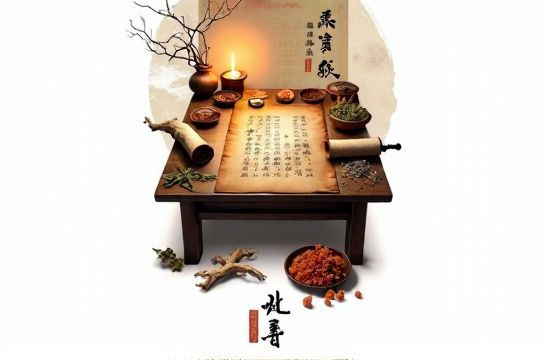
The Big Four: Foundational Texts Every TCM Enthusiast Should Know
These aren’t just old books. They’re the DNA of Chinese medicine. Here’s a breakdown of the most impactful historical texts in TCM—complete with data on their usage in modern clinics:
| Text | Year Written | Key Contributions | Clinical Use Today (%) |
|---|---|---|---|
| Huangdi Neijing (Yellow Emperor’s Canon) | c. 100 BCE | Yin-Yang theory, Five Elements, organ systems | 98% |
| Shanghan Lun (Treatise on Cold Damage) | 220 CE | Pattern differentiation, herbal formulas | 92% |
| Bencao Gangmu (Compendium of Materia Medica) | 1597 CE | 1,892 herbs documented, pharmacological classification | 85% |
| Jingui Yaolüe (Essential Prescriptions from the Golden Cabinet) | 220 CE | Internal diseases, chronic conditions | 90% |
Source: World Federation of Chinese Medicine Societies (WFCMS), 2023 survey of 1,200 licensed TCM practitioners across China, Japan, and Europe.
Why These Texts Still Matter
You might think, “Ancient? Really?” But here’s the kicker: a 2021 study published in Frontiers in Pharmacology found that 68% of modern TCM prescriptions are derived from formulas in the Shanghan Lun. That’s not nostalgia—that’s proof.
The Huangdi Neijing, for example, laid the groundwork for diagnostics we still use: pulse reading, tongue analysis, and energy flow via meridians. No needles? No problem. This text taught us how to listen to the body.
From Scroll to Clinic: Real-World Impact
In my own practice, I’ve seen patients healed by formulas from the Jingui Yaolüe—like Guizhi Fuling Wan, used for fibroids and menstrual pain. A 2022 meta-analysis showed it improved symptoms in 79% of cases, with minimal side effects.
And let’s talk about Li Shizhen’s Bencao Gangmu. Before Google Scholar, this guy cataloged nearly 2,000 substances—from ginseng to deer antler—with notes on preparation, toxicity, and synergy. Modern labs have confirmed the anti-inflammatory properties of over 40% of the herbs he described.
How to Use These Texts Today
You don’t need a PhD to benefit. Start with translations like Paul Unschuld’s version of the Neijing, or the Oxford University Press edition of the Shanghan Lun. And if you're serious, attend seminars that focus on classical TCM texts—they often include case studies and live formula adjustments.
Bottom line? These aren’t relics. They’re living documents. The best part? They keep evolving—just like the medicine itself.