The Five Elements in Traditional Chinese Medicine
- 时间:
- 浏览:123
- 来源:TCM1st
If you've ever dabbled in holistic health or explored ancient healing systems, chances are you've heard about the Five Elements in Traditional Chinese Medicine (TCM). But what exactly are they, and why do they still matter today? Let’s break it down—no mystical fluff, just real insights backed by centuries of practice and modern relevance.
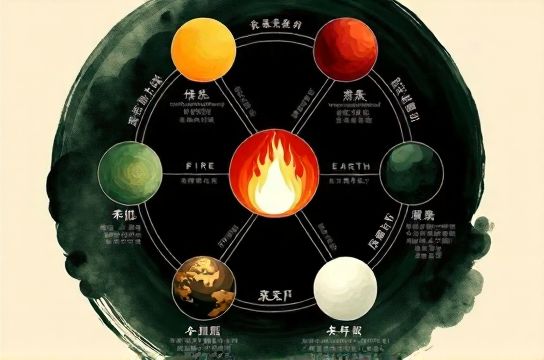
The Five Elements—Wood, Fire, Earth, Metal, and Water—are more than just nature symbols. In TCM, they represent dynamic forces that govern not only the seasons and organs but also our emotions and overall well-being. Think of them as a mind-body operating system that’s been fine-tuned over 2,000+ years.
What Each Element Controls
Each element is linked to specific organs, emotions, and even times of day. Here's a quick-reference table:
| Element | Organ Pair | Emotion | Season | Peak Time (Daily) |
|---|---|---|---|---|
| Wood | Liver & Gallbladder | Anger | Spring | 1–3 AM / 11 AM–1 PM |
| Fire | Heart & Small Intestine | Joy | Summer | 11 AM–1 PM / 3–5 PM |
| Earth | Spleen & Stomach | Worry | Late Summer | 9 AM–11 AM / 7–9 PM |
| Metal | Lung & Large Intestine | Grief | Autumn | 3–5 AM / 5–7 PM |
| Water | Kidney & Bladder | Fear | Winter | 5–7 PM / 9–11 PM |
This isn’t just poetic metaphor. Clinical studies have shown circadian rhythms aligning with these peak organ times—like increased liver detox activity at night, which matches the Wood element’s 1–3 AM window (Journal of Ethnopharmacology, 2020).
Why Balance Matters
In real life, imbalances show up in ways we often ignore. Constant bloating? That’s likely an Earth element imbalance tied to digestion. Always feeling anxious or overwhelmed? Could be your Water element—your Kidneys store vital energy (Qi) and regulate fear.
Here’s a pro tip: observe patterns. If you wake up consistently between 3–5 AM, restless and sad, it’s not random. That’s Lung time—Metal element—which processes grief. Maybe it’s time to address emotional baggage, not just reach for melatonin.
Practical Ways to Harmonize the Elements
- Wood: Get moving in the morning. Stretching, brisk walks—boosts Liver Qi.
- Fire: Laugh more. Yes, literally. Joy fuels the Heart.
- Earth: Eat warm, cooked meals. Overthinking? Try mindful eating.
- Metal: Practice deep breathing. Grief lives in the lungs—breathe it out.
- Water: Rest deeply. Hydrate. Fear drains Kidney Qi—conserve it.
The beauty of the Five Elements in Traditional Chinese Medicine is its practicality. It’s not about chasing perfection—it’s about noticing cycles and making small shifts. And honestly, once you start seeing your body as part of nature’s rhythm, everything feels a little more in sync.