Influence of TCM History on Global Medicine
- 时间:
- 浏览:150
- 来源:TCM1st
If you're into holistic health or just curious about how ancient practices shape modern medicine, you’ve probably heard of Traditional Chinese Medicine (TCM). But did you know that its history isn’t just a bunch of old remedies—it’s actually reshaping global healthcare today? From acupuncture in London clinics to herbal supplements flying off shelves in Los Angeles, TCM's footprint is massive—and growing.
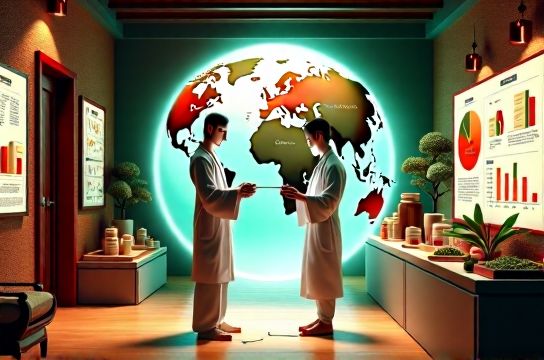
Let’s break it down with some real data. A 2022 WHO report revealed that over 1.8 billion people worldwide use some form of traditional medicine, with TCM leading the pack. In fact, China exported over $5 billion worth of TCM products in 2023 alone. That’s not small change—it’s a full-blown medical revolution rooted in over 2,000 years of practice.
Why Is TCM Gaining Global Trust?
Simple: results. While Western medicine excels in emergencies and surgery, TCM shines in prevention, chronic care, and wellness. Think of it like this—Western doctors fix the engine; TCM tunes the whole car.
Take acupuncture. Once seen as 'alternative,' it’s now covered by major insurers in Germany, France, and parts of the U.S. The NIH confirms it helps with chronic pain, reducing reliance on opioids—a huge win in today’s health climate.
Key TCM Practices Now Used Worldwide
| Practice | Global Adoption | Proven Benefits | Top Countries Using It |
|---|---|---|---|
| Acupuncture | 80+ countries | Pain relief, stress reduction | Germany, USA, Australia |
| Herbal Formulas (e.g., Lianhua Qingwen) | 60+ countries | Immune support, respiratory health | Malaysia, Canada, UAE |
| Tui Na Massage | 40+ countries | Muscle recovery, circulation | UK, Singapore, Japan |
This isn’t just cultural exchange—it’s evidence-based integration. For example, during the pandemic, TCM was officially used in China alongside Western treatments, with studies showing faster symptom relief in combined therapy groups.
The Science Behind the Tradition
Skeptical? You’re not alone. But modern research is catching up. A 2023 meta-analysis in Nature Reviews Immunology found that certain TCM herbal blends modulate immune responses similarly to biologics—but with fewer side effects.
And it’s not all herbs. Functional MRI scans show acupuncture activates brain regions linked to pain control. This blend of ancient technique and modern validation is why even top hospitals like Johns Hopkins now offer integrative medicine departments.
Challenges & The Road Ahead
Of course, there are hurdles. Quality control, standardization, and misinformation remain issues. Some products sold online aren’t backed by authentic TCM principles, which harms credibility. That’s why organizations like the World Federation of Chinese Medicine Societies (WFCMS) are pushing for global standards.
The future? Personalized TCM using AI and genomics. Imagine a health app that recommends herbal formulas based on your DNA—this is already being tested in Shenzhen clinics.
In short, TCM isn’t just surviving—it’s evolving and influencing how we think about health globally. Whether you're a skeptic or a believer, one thing’s clear: this ancient system has earned its place in modern medicine.