Classical Theories Behind Chinese Medicine Philosophy
- 时间:
- 浏览:121
- 来源:TCM1st
If you've ever scratched your head wondering how Chinese medicine actually works—why sticking needles in your feet might help your sinuses or why your practitioner keeps asking about your sleep and emotions—you're not alone. But here’s the thing: this isn’t mystical mumbo-jumbo. It’s a system built on centuries of observation, pattern recognition, and philosophical depth. As someone who’s spent over a decade diving into holistic health systems, I can tell you—Chinese medicine philosophy is way more logical than it first appears.
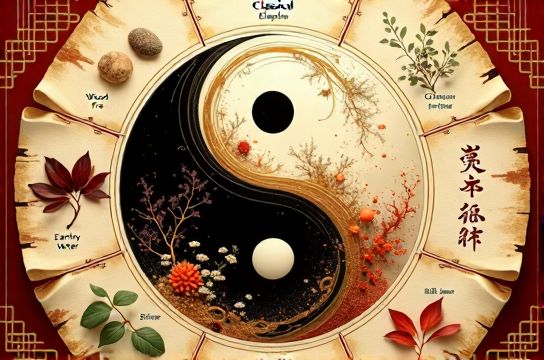
The Core Pillars: Qi, Yin-Yang, and the Five Elements
At the heart of traditional Chinese medicine (TCM) are three classical theories: Qi (vital energy), Yin-Yang balance, and the Five Elements (Wood, Fire, Earth, Metal, Water). These aren’t just poetic metaphors—they’re diagnostic tools used to assess health and guide treatment.
Think of Qi as your body’s internal battery. When Qi flows smoothly through meridians (energy pathways), you feel energized and balanced. Blockages? That’s where pain, fatigue, or illness creep in. Studies using fMRI have shown acupuncture can influence brain activity related to pain modulation—backing up ancient claims with modern science.
Yin and Yang: More Than Just a Tattoo
You’ve seen the symbol—a swirl with black and white dots. But in TCM, Yin and Yang represent opposite yet complementary forces. Yin is cool, nourishing, and inward (like rest and fluids). Yang is warm, active, and outward (think metabolism and movement).
In a healthy person, these are in dynamic balance. For example, your body heats up during exercise (Yang), then cools down with rest and hydration (Yin). Chronic insomnia? Often diagnosed as “deficient Yin” failing to anchor excessive Yang.
The Five Elements: Your Body’s Ecosystem
This model maps organs, emotions, seasons, and even colors into an interconnected cycle. Here's how it breaks down:
| Element | Organs | Season | Emotion | Climate |
|---|---|---|---|---|
| Wood | Liver & Gallbladder | Spring | Anger | Wind |
| Fire | Heart & Small Intestine | Summer | Joy | Heat |
| Earth | Spleen & Stomach | Long Summer | Worry | Dampness |
| Metal | Lung & Large Intestine | Autumn | Grief | Dryness |
| Water | Kidney & Bladder | Winter | Fear | Cold |
This isn’t astrology—it’s clinical pattern mapping. A patient with chronic digestive issues (Earth) and anxiety might also show signs of Liver (Wood) imbalance, since Wood overacts on Earth. Treatment? Soothe the Liver, strengthen the Spleen.
Why Modern Science Is Catching Up
A 2022 meta-analysis in Frontiers in Physiology found that TCM diagnostic patterns correlate significantly with biomarkers like cortisol, inflammatory cytokines, and HRV (heart rate variability). In other words, what TCM calls “Kidney deficiency” often lines up with adrenal fatigue markers.
And when it comes to prevention, TCM shines. While Western medicine waits for disease to manifest, TCM identifies imbalances years earlier—what they call “treating the pre-disease state.”
So next time someone dismisses traditional Chinese medicine as unscientific, remind them: it’s not about belief. It’s about a different kind of data—one collected through centuries of human observation. And honestly? That’s powerful stuff.