Mind Body Connection in Chinese Medicine Philosophy
- 时间:
- 浏览:100
- 来源:TCM1st
If you’ve ever felt stressed and suddenly got a stomachache, or noticed your back tightens up during emotional times — congrats, you’ve experienced the mind body connection firsthand. But while Western medicine often treats the mind and body as separate, Chinese medicine philosophy has been linking them for over 2,000 years.
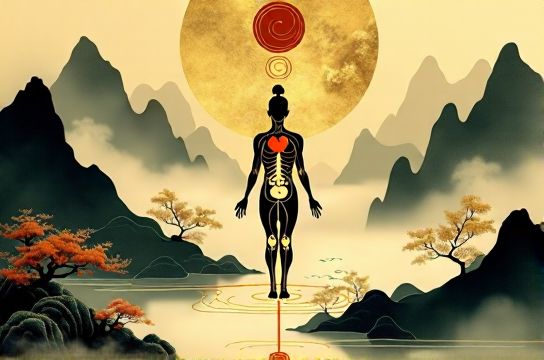
As someone who’s spent a decade diving into holistic health systems, I can tell you: Traditional Chinese Medicine (TCM) doesn’t just acknowledge the mind-body link — it builds its entire framework around it. Let’s break down how emotions, organs, and energy (Qi) interact — and why this ancient system still holds up today.
Emotions Are Energy in Motion
In TCM, emotions aren’t just feelings — they’re forms of energy that directly impact organ function. When balanced, emotions are natural and healthy. But when excessive or repressed, they disrupt Qi flow and create physical symptoms.
Here’s a quick breakdown of the core emotional-organ links in Chinese medicine philosophy:
| Emotion | Associated Organ | Physical Manifestations |
|---|---|---|
| Anger | Liver | Headaches, high blood pressure, menstrual issues |
| Worry/Overthinking | Spleen | Digestive problems, fatigue, bloating |
| Fear | Kidneys | Low back pain, frequent urination, weakness |
| Grief | Lungs | Asthma, dry cough, weakened immunity |
| Excessive Joy (mania) | Heart | Insomnia, palpitations, anxiety |
Notice something? It’s not just "stress causes stomach issues." TCM gets way more specific. Overthinking literally impairs your Spleen’s ability to transform food into energy — which explains why students pulling all-nighters often get digestive flare-ups.
Qi: The Bridge Between Mind and Body
Central to Chinese medicine philosophy is Qi (pronounced "chee") — the vital life force flowing through meridians. Emotional imbalances block or deplete Qi, leading to stagnation (like anger causing Liver Qi stagnation) or deficiency (chronic fear weakening Kidney Qi).
A 2021 study published in Frontiers in Psychology found that acupuncture — a key Qi-regulating practice — reduced anxiety levels by 68% in participants after 6 weeks, supporting the idea that physical interventions can heal emotional states.
Practical Ways to Balance Your Mind & Body
- Acupuncture: Targets specific meridians to release emotional blockages.
- Herbal formulas: Like Xiao Yao San for Liver Qi stagnation due to stress.
- Mindful breathing: Regulates Lung Qi and calms the Shen (spirit).
- Diet therapy: Warm, cooked foods support Spleen Qi; bitter greens clear Liver heat.
The takeaway? Your emotions aren’t just in your head — they’re in your organs, your energy, and your everyday health. By honoring the mind body connection, TCM offers a roadmap most modern systems still overlook.