Philosophical Foundations of Chinese Medicine Explained
- 时间:
- 浏览:172
- 来源:TCM1st
If you've ever wondered why Traditional Chinese Medicine (TCM) feels so different from Western healthcare, the answer lies deep in its philosophical roots. As a holistic health blogger who’s spent over a decade comparing Eastern and Western healing systems, I’m breaking down the core ideas that make TCM not just a medical practice—but a way of life.
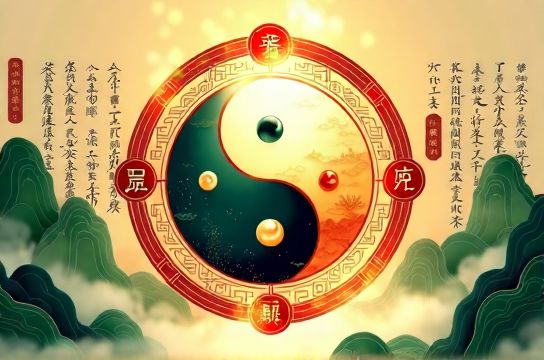
Unlike symptom-focused modern medicine, TCM is built on ancient philosophies like Yin-Yang theory and the Five Elements. These aren’t mystical mumbo-jumbo—they’re systematic frameworks used to understand balance in the body and nature.
Let’s start with Yin and Yang. You’ve probably seen the iconic black-and-white swirl symbol. In TCM, Yin represents coolness, rest, and substance (like blood and body fluids), while Yang stands for warmth, activity, and energy (like Qi). Health happens when these forces are in harmony. Illness? That’s imbalance.
Take insomnia, for example. From a TCM lens, it’s often seen as excess Yang or deficient Yin—your body’s too active at night because cooling, nourishing energies are low. Instead of prescribing sleeping pills, a TCM practitioner might recommend herbs like Zizyphus spinosa (Suan Zao Ren) or acupuncture to calm the spirit and nourish Yin.
Then there’s the Five Elements Theory—Wood, Fire, Earth, Metal, Water. Each element connects to organs, emotions, seasons, and even tastes. Here’s a quick reference:
| Element | Season | Organs | Emotion | Taste |
|---|---|---|---|---|
| Wood | Spring | Liver, Gallbladder | Anger | Sour |
| Fire | Summer | Heart, Small Intestine | Joy | Bitter |
| Earth | Long Summer | Spleen, Stomach | Worry | Sweet |
| Metal | Autumn | Lung, Large Intestine | Grief | Pungent |
| Water | Winter | Kidney, Bladder | Fear | Salty |
This isn’t astrology—it’s a clinical tool. A patient with chronic digestive issues (Earth) might also struggle with overthinking. A skilled practitioner will treat the Spleen but also address lifestyle habits tied to mental patterns.
And let’s talk Qi (pronounced “chee”). It’s the vital energy flowing through meridians. Think of it like electrical currents in your body. When Qi stagnates—say, due to stress or poor diet—pain or illness follows. Acupuncture? It’s basically a system of resetting those circuits.
Studies back this up. A 2018 meta-analysis in the Journal of Pain found acupuncture effective for chronic pain, with effects lasting months. That’s not placebo—that’s physiology meeting philosophy.
So if you're exploring wellness beyond pills, consider how balancing Qi and elements could transform your health. This isn’t alternative—it’s complementary wisdom, time-tested and deeply logical.