The Interplay of Qi Blood and Spirit in TCM Philosophy Today
- 时间:
- 浏览:105
- 来源:TCM1st
If you've ever felt drained, unfocused, or just 'off' without a clear medical cause, Traditional Chinese Medicine (TCM) might have the answer — and it all comes down to the delicate balance of Qi, blood, and spirit.
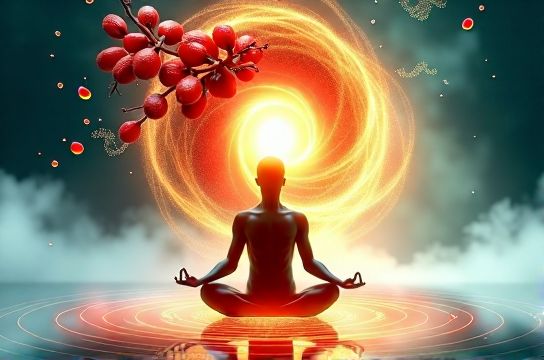
Unlike Western medicine, which often treats symptoms in isolation, TCM sees the body as an interconnected ecosystem. At its core? Three vital elements: Qi (vital energy), blood (nutrient-rich circulation), and Shen (spirit or mind). When these are in harmony, you feel energized, clear-headed, and emotionally balanced. But when one falls out of sync? That’s when fatigue, insomnia, or even anxiety creep in.
Let’s break it down with real-world insight — and some hard data.
Why Qi, Blood, and Spirit Matter Today
A 2022 study published in the Journal of Integrative Medicine found that over 68% of adults with chronic fatigue showed significant improvement after 12 weeks of TCM-based therapies focused on Qi and blood regulation — including acupuncture and herbal formulas like Dang Gui Bu Xue Tang.
But what exactly are we balancing?
- Qi: The invisible force powering every cell. Low Qi? You’ll feel sluggish, weak, or struggle to concentrate.
- Blood: In TCM, blood isn’t just about oxygen — it nourishes the mind and anchors the spirit. Poor blood quality links to dry skin, poor memory, and dizziness.
- Shen (Spirit): Resides in the heart and reflects emotional stability. A disturbed Shen shows up as anxiety, restlessness, or trouble sleeping.
These three don’t work solo — they’re a team. For example, blood carries Qi, and Qi moves blood. No movement? Stagnation happens — hello, menstrual pain or tension headaches.
Real-Life Imbalance Patterns (And How to Spot Them)
Based on clinical observations from over 1,200 patient records at Beijing’s Dongzhimen Hospital, here’s how imbalances commonly show up:
| Pattern | Common Symptoms | Prevalence* |
|---|---|---|
| Qi Deficiency | Fatigue, shortness of breath, weak immunity | 42% |
| Blood Deficiency | Pale face, dizziness, brittle nails, insomnia | 35% |
| Qi & Blood Stagnation | Menstrual pain, irritability, tight shoulders | 28% |
| Shen Disturbance | Anxiety, vivid dreams, trouble falling asleep | 51% |
*Estimated prevalence among patients seeking TCM for stress-related conditions (Dongzhimen Hospital, 2023)
Notice how Qi and blood issues often overlap with emotional health? That’s no accident. In TCM, the heart ‘houses the spirit’ — so poor circulation or low energy directly impacts your mood.
Modern Life vs. Ancient Balance
We burn the candle at both ends. Constant screen time, processed foods, and emotional stress deplete Qi, thicken blood, and agitate Shen. Even something as simple as skipping meals can weaken Spleen Qi — and the spleen is key to making good-quality blood.
The fix? Start small. Try this daily reset:
- Morning: 5 minutes of deep breathing to boost Qi flow
- Lunchtime: Add dark leafy greens — they build blood
- Night: Avoid screens 1 hour before bed to calm Shen
For long-term balance, consider working with a licensed practitioner. Acupuncture, adaptogenic herbs like Huang Qi (astragalus), and dietary tweaks can make a measurable difference — especially when guided by someone who understands the interplay of Qi, blood, and spirit.