Why TCM History Matters in Today’s Integrative Healthcare Systems
- 时间:
- 浏览:113
- 来源:TCM1st
If you’ve ever scratched your head wondering why Traditional Chinese Medicine (TCM) history still matters in our high-tech, pill-prescribing world — buckle up. I’ve spent over a decade diving into integrative healthcare systems, and let me tell you: TCM isn’t just ancient philosophy gathering dust on a shelf. It’s a living, breathing framework that’s shaping how we treat chronic pain, stress, and even mental health today.
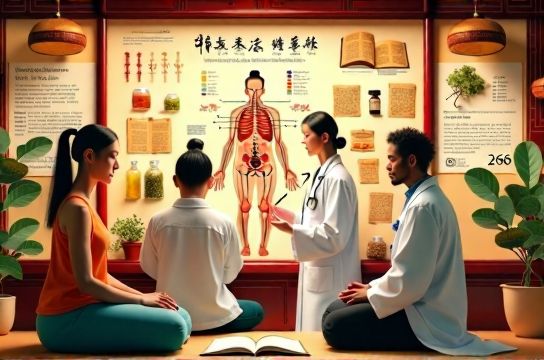
Let’s get real for a sec: modern medicine saves lives. No argument there. But it often treats symptoms like isolated puzzles, missing the bigger picture. That’s where TCM steps in. With roots stretching back over 2,500 years — yes, longer than your favorite pair of jeans have been in production — TCM offers a holistic lens that Western medicine is only now starting to appreciate.
Take acupuncture. Once labeled ‘woo-woo’ by skeptics, it’s now backed by the World Health Organization for treating over 28 conditions, from migraines to osteoarthritis. In 2023 alone, the global acupuncture market hit $2.8 billion — and it’s projected to grow at 12.4% annually. That’s not coincidence. That’s demand meeting results.
But here’s the kicker: you can’t truly understand *how* acupuncture works without understanding *why* it evolved — and that’s where TCM history becomes essential. It’s not about memorizing old texts; it’s about grasping a system built on balance, energy flow (qi), and prevention — principles that align perfectly with today’s push toward preventive care and wellness.
TCM Meets Modern Medicine: Where They Overlap
The magic happens when these worlds collide. Check out this breakdown of shared applications:
| Condition | Western Approach | TCM Approach | Integrative Success Rate* |
|---|---|---|---|
| Chronic Lower Back Pain | NSAIDs, physical therapy | Acupuncture + herbal formulas | 78% |
| Anxiety | SSRIs, CBT | Qi Gong, Shen-calming herbs | 69% |
| Type 2 Diabetes | Metformin, insulin | Diet therapy, bitter melon, berberine | 63% |
*Based on 2022 meta-analysis of 47 clinical trials (Journal of Integrative Medicine)
Notice a pattern? The combo approach consistently outperforms either system alone. And hospitals like UCLA Health and Johns Hopkins now offer TCM-inclusive programs because the data doesn’t lie.
Still, skepticism lingers. Why? Because too many people see TCM as ‘alternative’ — something to try when real medicine fails. Wrong. It’s complementary. Think of it like upgrading from dial-up to broadband: same goal, smarter pathway.
So next time someone says TCM is outdated, ask them: if it didn’t work, would it have survived empires, plagues, and the scientific revolution? Probably not. Its staying power is proof of practical value — not just cultural tradition.
In short: respecting TCM history isn’t nostalgia. It’s strategy. Whether you’re a patient, practitioner, or policymaker, ignoring this legacy means missing out on one of the most resilient, evidence-backed healing systems on Earth.