Philosophical Foundations Behind Chinese Medicine Explained
- 时间:
- 浏览:111
- 来源:TCM1st
If you've ever scratched your head wondering why Chinese medicine feels so different from Western treatments, you're not alone. As a health and wellness blogger who's spent over a decade diving into holistic healing systems, I can tell you—it all comes down to philosophy. Unlike symptom-focused Western models, Traditional Chinese Medicine (TCM) is built on ancient Eastern worldviews that see the body, mind, and universe as deeply connected.
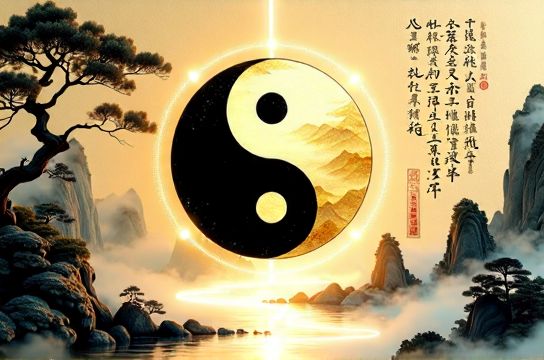
The core of TCM rests on three philosophical pillars: Qi (vital energy), Yin-Yang balance, and the Five Elements (Wood, Fire, Earth, Metal, Water). These aren’t just poetic ideas—they’re practical frameworks used daily by practitioners to diagnose and treat illness.
Take Qi, for example. It’s the invisible life force flowing through meridians in the body. When Qi is blocked or unbalanced, illness follows. Acupuncture? It’s designed to unblock and redirect Qi. Studies show acupuncture can help with chronic pain, with the NIH reporting up to a 50% improvement in patients with back and joint issues.
Then there’s Yin and Yang—the universal dance of opposites. Health isn’t seen as a static state but a dynamic equilibrium. Too much Yang (heat, activity) might show as inflammation or insomnia; too much Yin (cold, stillness) could mean fatigue or poor circulation. Balancing them is key.
But what really sets TCM apart is the Five Elements theory. Each element corresponds to organs, emotions, and seasons. Here’s how it breaks down:
| Element | Season | Organs | Emotions |
|---|---|---|---|
| Wood | Spring | Liver, Gallbladder | Anger |
| Fire | Summer | Heart, Small Intestine | Joy |
| Earth | Late Summer | Spleen, Stomach | Worry |
| Metal | Autumn | Lung, Large Intestine | Grief |
| Water | Winter | Kidney, Bladder | Fear |
This system allows TCM doctors to treat emotional stress through physical care—and vice versa. Feeling anxious all the time? A practitioner might focus on your Spleen (Earth), since excessive worry affects digestion.
Modern science is starting to catch up. Research published in Frontiers in Psychology found mindfulness and energy-based practices—core to TCM—can reduce cortisol levels by up to 28% in high-stress individuals.
So, is Chinese medicine philosophy just old-world mysticism? Far from it. It’s a sophisticated, experience-driven system that treats people as whole beings—not just collections of symptoms. Whether you're exploring acupuncture, herbal blends, or qigong, understanding these foundations helps you make smarter, more informed choices.
In a world obsessed with quick fixes, maybe what we really need is a little ancient wisdom.