Roots of Healing Traditions in Ancient Chinese Practices
- 时间:
- 浏览:117
- 来源:TCM1st
If you're into natural wellness or just curious about how ancient wisdom shapes modern health, let’s talk about ancient Chinese healing practices. These aren’t just old-school remedies—they’re time-tested systems backed by centuries of observation and refinement. From acupuncture to herbal blends, the roots run deep—and they’re more relevant today than ever.
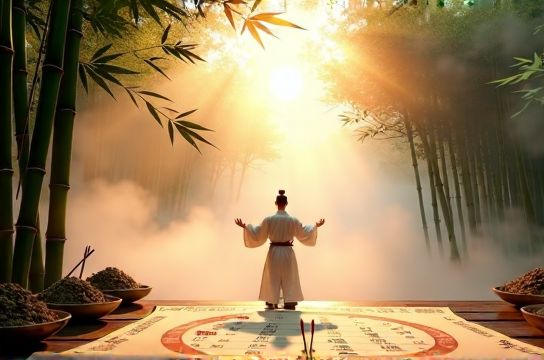
Take Traditional Chinese Medicine (TCM), for example. It’s not a trend; it’s a full-on medical system used by over 1 billion people worldwide, according to WHO estimates. Unlike Western medicine that often targets symptoms, TCM focuses on balance—qi (life force), yin-yang harmony, and the five elements. Sound mystical? Maybe. But there’s real science catching up fast.
One of the most studied areas is acupuncture. A 2020 meta-analysis published in JAMA Internal Medicine reviewed over 20,000 patients and found acupuncture significantly reduced chronic pain—by up to 50% more than standard care alone. That’s huge for anyone battling back pain, migraines, or arthritis.
And then there’s herbal medicine. Formulas like Liu Wei Di Huang Wan (Six Flavor Rehmannia Pill) have been used since the Song Dynasty (960–1279 AD) and are now being validated for kidney and hormonal support. Modern labs are isolating active compounds in herbs like ginseng and astragalus that boost immunity and reduce inflammation.
Let’s break down some key practices and their modern-day impact:
| Practice | Historical Use | Modern Validation | Key Benefit |
|---|---|---|---|
| Acupuncture | Pain relief, energy flow | Proven for chronic pain & nausea | Reduces reliance on opioids |
| Qigong | Spiritual & physical training | Improves balance, reduces stress | Low-impact, high-reward exercise |
| Chinese Herbal Medicine | Internal balance, organ support | Anti-inflammatory, immune-modulating | Personalized treatment plans |
Now, here’s the kicker: these aren’t one-size-fits-all fixes. A big reason ancient Chinese healing practices work so well is personalization. Your practitioner doesn’t just treat your headache—they look at your sleep, digestion, even your emotions. It’s holistic AF, and honestly, that’s what modern healthcare’s missing.
Still skeptical? You should be—but keep an open mind. The National Center for Complementary and Integrative Health (NCCIH) reports that over 50% of U.S. adults now use some form of complementary therapy. And in China, TCM hospitals are fully integrated into the national health system. This isn’t fringe—it’s mainstream elsewhere.
So whether you’re exploring alternatives to meds or just want to feel more balanced, tap into this ancient knowledge. Just make sure you go to licensed pros—especially for herbs and needles. Safety first, always.
The bottom line? The roots of healing traditions in Chinese culture aren’t stuck in the past. They’re evolving, blending with science, and helping people heal in real ways. And if you’re looking for a smarter, more balanced approach to health, maybe it’s time to listen to the ancestors.