Exploring the Origins of TCM History and Its Modern Impact
- 时间:
- 浏览:142
- 来源:TCM1st
If you've ever popped an herbal supplement or tried acupuncture for stress, chances are you've dipped into Traditional Chinese Medicine (TCM)—even if you didn’t realize it. But where did it all start? And why is this ancient system still relevant in today’s high-tech world?
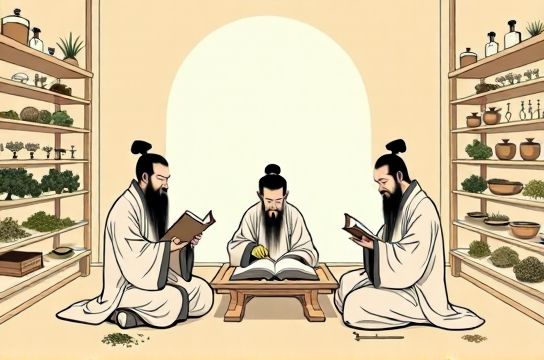
Let’s break it down: TCM has been around for over 2,500 years. Yup, older than your grandma’s favorite teapot. Rooted in Daoist philosophy, its earliest texts—like the Huangdi Neijing (The Yellow Emperor’s Inner Canon)—laid the groundwork for diagnosing illness through pulse reading, tongue analysis, and energy flow (qi). Sounds mystical? Maybe. But modern research is starting to back some of it up.
Take acupuncture. Once dismissed as pseudoscience, it's now recognized by the WHO for treating conditions like chronic pain and migraines. A 2018 meta-analysis in JAMA found acupuncture provided statistically significant relief compared to sham treatments—proof that sometimes, old school knows best.
How TCM Stacks Up Against Modern Medicine
Now, I’m not saying ditch your prescriptions for ginseng tea. But blending TCM with Western approaches? That’s where the magic happens. Here’s a quick comparison:
| Aspect | TCM Approach | Western Medicine |
|---|---|---|
| Diagnosis | Pulse, tongue, qi balance | Labs, imaging, biomarkers |
| Treatment Focus | Root cause, prevention | Symptom management |
| Evidence Base | Anecdotal + growing clinical trials | Large-scale RCTs |
| Patient Role | Active participant | Passive recipient |
See the difference? TCM treats you like a whole person, not just a diagnosis. That’s why integrative clinics from Beijing to Beverly Hills are combining both worlds.
The Global Rise of TCM
China isn’t keeping this secret to itself. By 2025, the global TCM market is projected to hit $142 billion—up from $68 billion in 2020. Countries like Germany and Australia already cover certain TCM practices under public health plans. Even the U.S. National Center for Complementary and Integrative Health funds TCM research.
But here’s the real kicker: during the pandemic, TCM was used alongside conventional care in China, with reports showing reduced recovery time. While more studies are needed, early data from Wuhan showed patients on herbal formulas like Lianhua Qingwen had faster viral clearance.
Of course, it’s not all smooth sailing. Quality control and herb-drug interactions remain concerns. Always consult a licensed practitioner—especially if you're on meds.
So what’s the takeaway? The history of TCM isn’t just ancient scrolls and weird roots. It’s a living, evolving system that’s earning its place in modern healthcare. Whether you’re battling insomnia or just chasing balance, understanding its roots might just be your next wellness upgrade.