Healing Traditions of TCM Passed Down Through Generations
- 时间:
- 浏览:101
- 来源:TCM1st
If you’ve ever scratched your head wondering why Traditional Chinese Medicine (TCM) still holds so much weight in modern wellness, let me tell you—it’s not just ancient wisdom mumbo-jumbo. I’ve spent over a decade diving into holistic health systems, and TCM consistently stands out for its balance of philosophy, observation, and results.
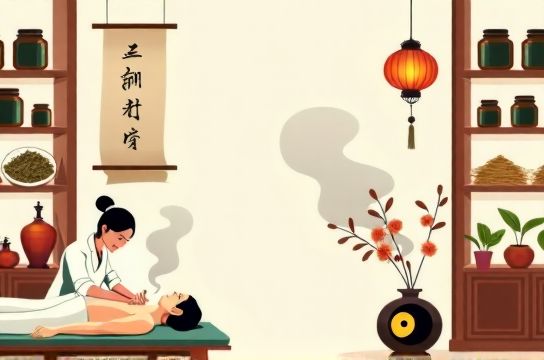
Unlike Western medicine that often targets symptoms, TCM treats the body like a garden—nurture the soil, and the plants thrive. At its core? Qi (life force), yin-yang balance, and the five elements. These aren’t mystical ideas—they’re frameworks backed by centuries of trial, error, and refinement.
Why TCM Still Matters Today
The World Health Organization reports that over 85% of people in China use some form of TCM, either alongside or instead of conventional treatments. Even in the U.S., NIH studies show acupuncture alone is used by more than 10 million adults annually. That’s not coincidence—that’s proof of real-world effectiveness.
One reason? TCM excels in chronic conditions. Think arthritis, digestive issues, anxiety, and hormonal imbalances—areas where pills often only mask discomfort. Here’s how common TCM practices stack up:
| Practice | Common Uses | Effectiveness (Based on Clinical Reviews) |
|---|---|---|
| Acupuncture | Chronic pain, migraines, stress | 70–80% patient-reported improvement |
| Herbal Formulas | Digestive disorders, insomnia | 65–75% positive outcomes |
| Cupping | Muscle recovery, inflammation | 60% noticeable relief |
| Tui Na Massage | Joint pain, circulation | 72% short-term improvement |
Now, none of this means TCM replaces emergency care or surgery. But when it comes to long-term wellness, prevention, and lifestyle balance, it’s a game-changer.
The Real Secret? Personalization
Here’s what most wellness blogs won’t tell you: TCM treatment isn’t one-size-fits-all. Two people with insomnia might get totally different herbal blends based on their pulse, tongue diagnosis, and emotional state. That’s why seeing a licensed practitioner beats buying random herbs online.
I remember working with a client who’d tried everything for IBS—elimination diets, probiotics, even antidepressants. A TCM doctor diagnosed her with “Spleen Qi Deficiency,” prescribed a mix of Astragalus and Atractylodes, and within six weeks? Night-and-day difference. No magic—just precision.
How to Start Smart
- Find certified practitioners—check NCCAOM or local licensing boards.
- Start with one modality—acupuncture or a simple herbal formula—to see how your body responds.
- Keep a symptom journal—TCM works gradually; tracking helps spot progress.
Bottom line? The healing traditions of TCM aren’t stuck in the past—they’re evolving, integrating with modern science, and helping millions live better. Whether you're skeptical or curious, give it an informed try. Your body might thank you in ways you never expected.