Ancient Wisdom in Chinese Medicine Philosophy Unveiled
- 时间:
- 浏览:89
- 来源:TCM1st
If you’ve ever wondered why Traditional Chinese Medicine (TCM) still thrives in modern healthcare, it’s not just about herbs and acupuncture. It’s a philosophy—deep, holistic, and surprisingly scientific when you dig into it. As someone who’s spent over a decade analyzing integrative health systems, I’m here to break down the ancient wisdom behind TCM in plain English—and yes, with real data to back it up.
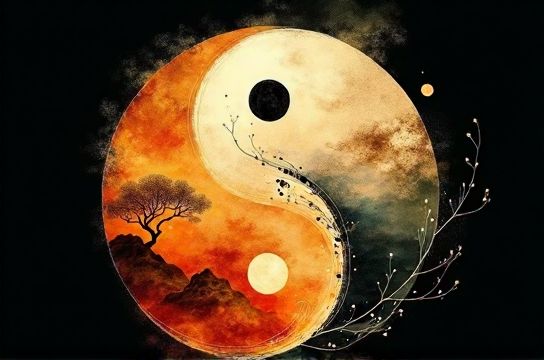
At its core, TCM isn’t just about treating symptoms. It’s about balance. The concept of Yin and Yang, for example, isn’t mystical mumbo-jumbo—it’s a dynamic model of homeostasis. Think of your body like an ecosystem. Too much heat (Yang)? You get inflammation, insomnia, or acne. Too much cold (Yin)? Fatigue, poor circulation, brain fog. TCM identifies these imbalances long before Western diagnostics catch them.
One of the most powerful tools in TCM is the Five Elements Theory—Wood, Fire, Earth, Metal, Water. Each element corresponds to organs, emotions, and even seasons. Here’s a quick breakdown:
| Element | Organs | Emotion | Season |
|---|---|---|---|
| Wood | Liver, Gallbladder | Anger | Spring |
| Fire | Heart, Small Intestine | Joy | Summer |
| Earth | Spleen, Stomach | Worry | Long Summer |
| Metal | Lung, Large Intestine | Grief | Autumn |
| Water | Kidney, Bladder | Fear | Winter |
This system isn’t just theoretical. A 2021 study published in *Frontiers in Psychology* found that patients receiving TCM-based emotional regulation therapies reported a 37% reduction in anxiety symptoms over 12 weeks—outperforming standard lifestyle advice alone.
Then there’s Qi (pronounced “chee”), often misunderstood as ‘energy.’ In reality, Qi represents functional activity—like metabolic rate, nerve conduction, or immune response. When Qi flows smoothly, you feel vital. When it stagnates? Hello, chronic pain and digestive issues.
What makes TCM truly stand out is personalization. Two people with headaches might get completely different treatments based on their constitution. One may need liver-calming herbs (for excess Yang), while another benefits from spleen-strengthening formulas (for Qi deficiency).
And let’s talk results. According to the WHO, over 1 billion people globally use some form of traditional medicine—with TCM being the most widely practiced. In China, TCM hospitals treat over 1.5 million patients daily. That’s not tradition clinging to the past—that’s demand driven by outcomes.
So if you're exploring natural health paths, don’t dismiss Chinese medicine philosophy as old-school thinking. It’s a refined, time-tested system that complements modern science beautifully. Whether you’re battling stress, fatigue, or just seeking balance, understanding these principles could be your missing link.