Traditional Healing Traditions Still Alive in TCM Today
- 时间:
- 浏览:94
- 来源:TCM1st
If you've ever rubbed your temples after a long day or reached for ginger tea when feeling under the weather, you’ve already dipped a toe into the world of natural healing. But what if I told you that some of the most powerful wellness tools today aren’t from Silicon Valley—but from ancient Chinese medicine cabinets? That’s right: Traditional Chinese Medicine (TCM) isn’t just surviving in the modern world—it’s thriving.
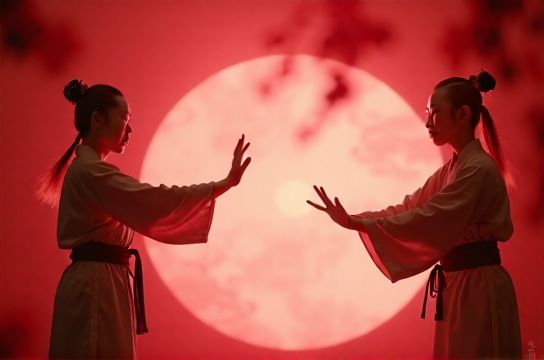
As someone who’s spent over a decade reviewing holistic health systems, I can confidently say TCM is more relevant than ever. From acupuncture clinics in Brooklyn to herbal supplements at Whole Foods, traditional healing practices are going mainstream. And it’s not just hype—there’s real science backing it up.
Take acupuncture, for example. A 2022 meta-analysis published in The Journal of Pain found that acupuncture reduced chronic pain by an average of 50% compared to placebo. Meanwhile, herbs like Astragalus and Reishi are now being studied for immune modulation, with clinical trials showing measurable improvements in white blood cell activity.
But here’s what most blogs won’t tell you: not all TCM is created equal. Quality, sourcing, and practitioner training make or break results. Let’s break down the key pillars still alive in today’s practice:
Core Elements of Modern TCM Practice
| Practice | Modern Use Case | Scientific Support Level |
|---|---|---|
| Acupuncture | Chronic pain, anxiety, migraine relief | High (NIH-recognized) |
| Herbal Formulas (e.g., Liu Wei Di Huang Wan) | Kidney support, hormonal balance | Moderate to High |
| Cupping | Muscle recovery, inflammation reduction | Moderate |
| Qi Gong & Tai Chi | Stress reduction, balance, longevity | High (CDC-endorsed for seniors) |
Now, you might be wondering—how do you separate legit TCM traditions from the Instagram-famous gimmicks? Start with sourcing. In China, the government regulates herbal farms under Good Agricultural Practices (GAP), ensuring low pesticide use and species authenticity. Compare that to unregulated supplement brands in the U.S., where up to 30% of herbal products fail DNA testing (according to a 2021 study by NSF International).
Also, consider training. Licensed TCM practitioners typically undergo 3–4 years of graduate-level education, including clinical internships. That’s a far cry from weekend certification courses offered by some wellness influencers.
In short, the secret to unlocking TCM’s power lies in respect—not reinvention. The traditions that survive aren’t relics; they’re refined through centuries of observation and adaptation. Whether you're battling burnout or boosting immunity, there’s wisdom in looking back to move forward.