Exploring the Origins of TCM History and Ancient Healing Traditions
- 时间:
- 浏览:118
- 来源:TCM1st
If you’ve ever wondered why Traditional Chinese Medicine (TCM) still holds such a strong grip on modern wellness, let’s take a deep dive—not just into herbs and acupuncture, but into the real roots of ancient healing traditions that shaped today’s practices.
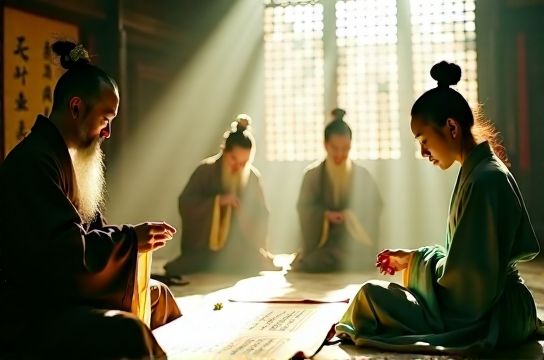
Long before IV drips and mRNA vaccines, people relied on nature and observation. In China, this evolved into a system now known as TCM—dating back over 2,000 years. The earliest records? Found in the Huangdi Neijing (The Yellow Emperor’s Classic), compiled around 100 BCE. This wasn’t just folk remedy; it was structured medical theory based on yin-yang balance, the five elements, and qi (vital energy) flow.
But here’s the kicker: TCM didn’t develop in isolation. Ancient healing traditions across Egypt, India, and Greece shared surprising similarities—think herbal formulas, pulse diagnosis, and holistic mind-body approaches. Yet, TCM is one of the few systems that survived intact into the 21st century.
How TCM Stood the Test of Time
Sure, politics and culture played roles, but data shows something more compelling. A 2022 WHO report found that over 80% of people in China still use some form of TCM—whether for chronic pain, digestion, or stress. Even hospitals integrate acupuncture and herbal wards.
Compare that to other ancient systems:
| Ancient System | Origin Period | Modern Usage Rate | Integrated into National Healthcare? |
|---|---|---|---|
| Traditional Chinese Medicine | ~200 BCE | 80% (China) | Yes |
| Ayurveda (India) | ~600 BCE | 75% (India) | Limited |
| Unani (Middle East) | ~1000 CE | 30% (Pakistan/Iran) | Partial |
| Ancient Greek Humoral Theory | ~400 BCE | Nearly extinct | No |
As you can see, TCM isn’t just surviving—it’s thriving. Why? Because it adapted. While ancient healing traditions like Greek humoral theory faded, TCM evolved with scientific validation. For example, artemisinin—a malaria drug derived from Artemisia annua (Qinghao)—earned Tu Youyou a Nobel Prize in 2015, proving that TCM herbs can meet modern standards.
So, Should You Try It?
If you're dealing with chronic fatigue, joint pain, or stress-related issues, many clinical studies suggest acupuncture and tailored herbal blends can help. But caution: not all TCM products are regulated equally. Stick to licensed practitioners and avoid endangered animal ingredients (like tiger bone—yes, it’s still a problem in some black markets).
In short, TCM history isn’t just about the past—it’s a living science. Whether you’re skeptical or curious, understanding its origins gives you power to make smarter wellness choices.