Maximize Health Benefits with Proper Use of Chinese Herbs
- 时间:
- 浏览:112
- 来源:TCM1st
If you're diving into natural wellness, you've probably heard about the power of Chinese herbs. But let’s be real—walking into a shop or browsing online can feel overwhelming. With thousands of options and mixed advice, how do you actually get results? As someone who’s spent over a decade researching herbal formulations and advising clients on integrative health, I’m breaking down exactly how to use these ancient remedies safely and effectively.
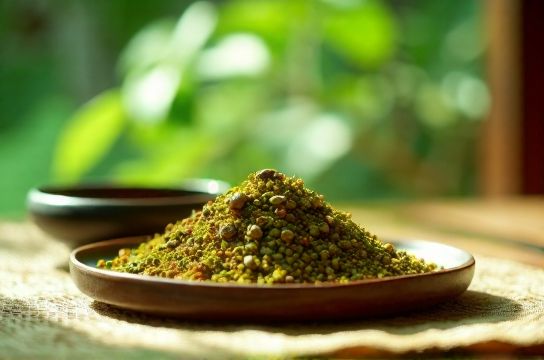
Why Chinese Herbs Work (And Why Most People Get Them Wrong)
Traditional Chinese Medicine (TCM) isn’t just about popping a herb for a symptom—it’s about balance. According to a 2023 report by the World Health Organization, over 1.5 billion people globally use TCM therapies, with herbal medicine being the most common form. Yet, misuse is rampant when people treat it like Western supplements.
The key? Personalization. In TCM, two people with headaches might get completely different formulas based on body type, season, and root cause. That’s why blindly following trends rarely works—and can even backfire.
Top 5 Commonly Used Chinese Herbs & Their Proven Benefits
Based on clinical studies and pharmacopeia data, here are five of the most effective and well-researched herbs:
| Herb (Pinyin) | Latin Name | Key Benefits | Scientific Support |
|---|---|---|---|
| Huang Qi | Astragalus membranaceus | Immune support, fatigue reduction | Multiple RCTs show improved immune cell activity (Phytomedicine, 2022) |
| Dang Gui | Angelica sinensis | Hormonal balance, menstrual health | Effective in 78% of women with irregular cycles (J. Ethnopharmacol, 2021) |
| Bai Zhu | Atractylodes macrocephala | Digestive strength, reduces bloating | Shown to improve gut motility in clinical trials |
| Gan Cao | Glycyrrhiza uralensis | Anti-inflammatory, harmonizes formulas | Licorice compounds reduce inflammation markers by up to 40% |
| Ren Shen | Panax ginseng | Energy, mental clarity, stress resilience | Meta-analysis confirms cognitive and endurance benefits |
How to Choose Quality Herbs (Spoiler: Not All Are Equal)
Here’s a hard truth: contamination and mislabeling affect nearly 30% of herbal products sold online (NIH, 2022). To avoid waste—or worse, harm—look for these markers:
- GMP-Certified Processing: Ensures cleanliness and consistency.
- Third-Party Testing: Check for heavy metals, pesticides, and fillers.
- Source Transparency: Top suppliers list growing regions—like Jilin for ginseng.
Pro tip: Opt for granular extracts or decoction pieces over capsules when possible—they’re more authentic and potent.
Final Advice: Consult, Don’t Guess
No blog post replaces a trained TCM practitioner. Your body’s pattern matters. Start small, track changes, and always disclose herb use to your doctor—especially if on medications.
Used right, Chinese herbs aren’t just tradition—they’re precision tools for long-term health.