Balance and Harmony The Essence of Chinese Medicine Philosophy
- 时间:
- 浏览:117
- 来源:TCM1st
If you’ve ever wondered why so many people swear by Chinese medicine—even in today’s high-tech world—it’s not just about herbs or acupuncture. It’s about a deeper philosophy: balance and harmony. As someone who’s spent over a decade diving into holistic health systems, I can tell you this isn’t just ancient wisdom for show. It’s a practical, science-backed approach to staying healthy from the inside out.
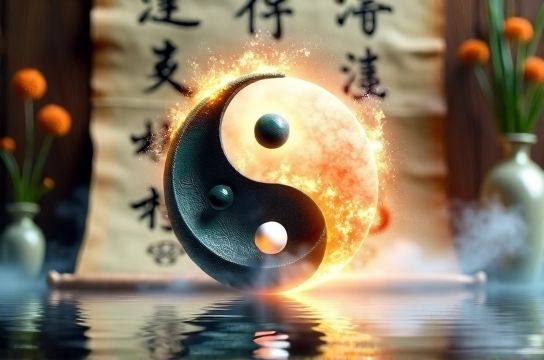
At the heart of traditional Chinese medicine (TCM) is the idea that your body works best when everything is in equilibrium. Think of it like a finely tuned orchestra—when one instrument is off, the whole performance suffers. In TCM, we call this balance yin and yang, and the smooth flow of energy through your body is known as qi (pronounced “chee”). When yin and yang are out of sync, or qi gets blocked, illness follows.
Yin and Yang in Daily Life
You don’t need to be a monk to apply these principles. Let’s break it down with real-life examples:
| Aspect | Yin (Cooling/Restorative) | Yang (Heating/Active) |
|---|---|---|
| Time of Day | Night | Day |
| Body Functions | Digestion, Rest | Exercise, Mental Focus |
| Foods | Cucumber, Tofu, Green Tea | Ginger, Garlic, Lamb |
| Emotions | Calm, Reflective | Agitated, Driven |
This table shows how yin and yang aren’t abstract ideas—they’re reflected in what you eat, when you sleep, and how you feel. For example, if you’re always stressed and overheated (classic yang excess), adding more yin foods and quiet time can bring you back on track.
The Role of Qi and Meridians
Qi flows through pathways called meridians, much like blood moves through veins. There are 12 main meridians, each linked to an organ system. Acupuncture works by unblocking stuck qi at specific points—something modern studies now support. A 2018 meta-analysis published in the Journal of Pain found acupuncture significantly reduced chronic pain compared to placebo.
But you don’t need needles to keep your qi flowing. Simple practices like tai chi, qigong, and mindful breathing help maintain energy balance. One study showed just 12 weeks of tai chi improved balance, sleep, and immune response in older adults.
Five Elements: Nature’s Feedback Loop
Another core concept? The Five Elements—Wood, Fire, Earth, Metal, Water. These aren’t mystical symbols; they represent cycles of growth, transformation, and regulation in nature and your body.
- Wood = Liver & Gallbladder – associated with spring and decision-making
- Fire = Heart & Small Intestine – linked to summer and joy
- Earth = Spleen & Stomach – tied to digestion and empathy
- Metal = Lungs & Large Intestine – connected to grief and letting go
- Water = Kidneys & Bladder – related to fear and willpower
When one element is weak, it affects others. For instance, poor digestion (Earth) might lead to low energy and overthinking—common issues in our fast-paced world. The fix? Eat warm, cooked meals and practice routine, which strengthens the Spleen in TCM terms.
Want to live better without chasing quick fixes? Start by aligning with natural rhythms. That’s the real power of Chinese medicine philosophy. It’s not magic—it’s balance.